
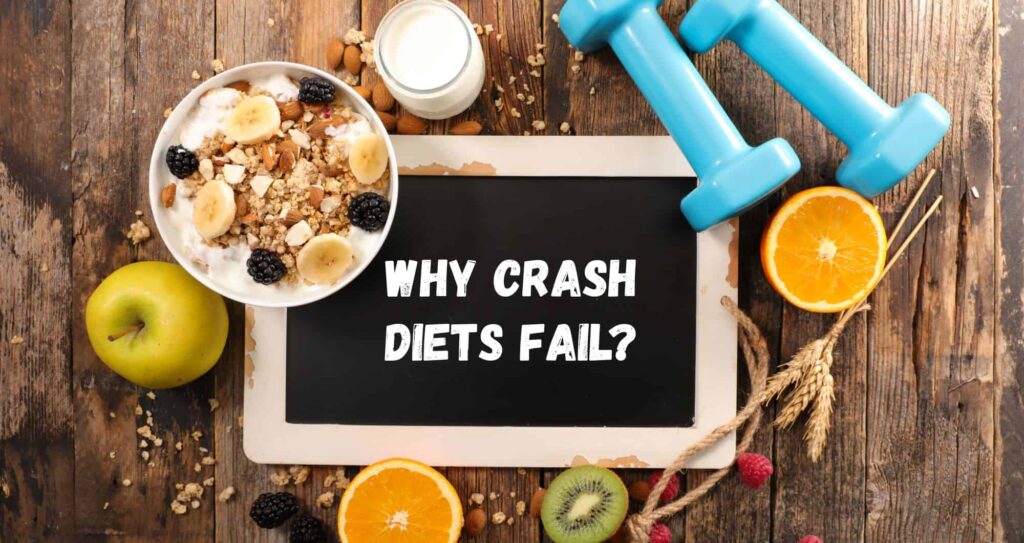
Why Diets Fail: 10 Common Mistakes That Stop Your Progress
Starting a diet feels exciting and full of motivation. You plan your meals, cut calories, and expect quick results. But after a few weeks, many people feel stuck, frustrated, or even gain back the lost weight. If this sounds familiar, you’re not alone.
The truth is, diets don’t fail because of lack of effort—they fail because of common mistakes that most people don’t even realize they’re making.
Let’s explore the real reasons why diets fail and how you can avoid these mistakes for long-term success.
1. Setting Unrealistic Expectations

One of the biggest reasons why diets fail is expecting quick results. Many people want to lose 5–10 kg in a month, which is not healthy or sustainable.
When results don’t come fast enough, motivation drops, and people quit.
What to do instead:
Focus on gradual weight loss (0.5–1 kg per week). Sustainable progress leads to long-term success.
2. Following Extreme Diets
Crash diets or extremely low-calorie diets may give quick results, but they are not maintainable.

These diets often:
- Slow down metabolism
- Cause nutrient deficiencies
- Lead to muscle loss
Eventually, your body rebounds, and you regain weight.
What to do instead:
Choose a balanced diet that includes all nutrients—proteins, carbs, fats, vitamins, and minerals.
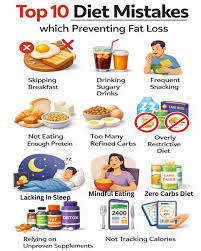
3. Skipping Meals
Many people think skipping meals will reduce calorie intake and speed up weight loss. In reality, it does the opposite.
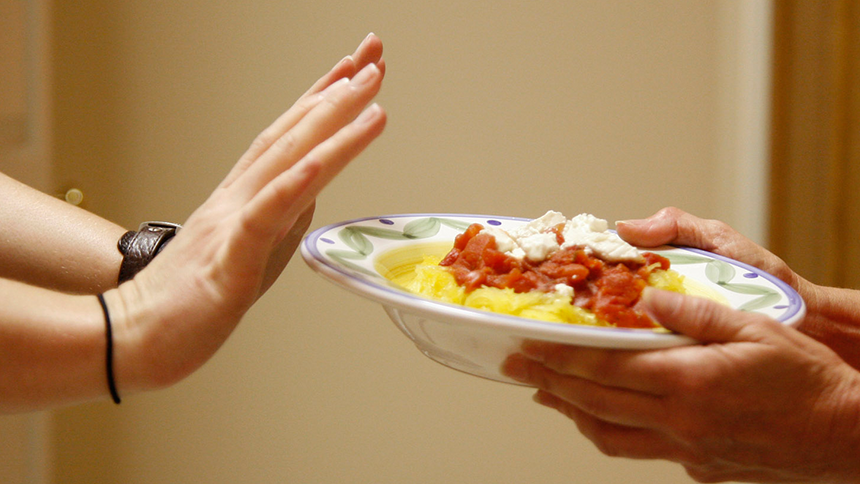
Skipping meals can:
- Increase hunger later
- Lead to overeating
- Slow metabolism
What to do instead:
Eat small, frequent meals to maintain energy and control hunger.
4. Not Eating Enough Protein
Protein plays a crucial role in fat loss. Without enough protein, your body may lose muscle instead of fat.
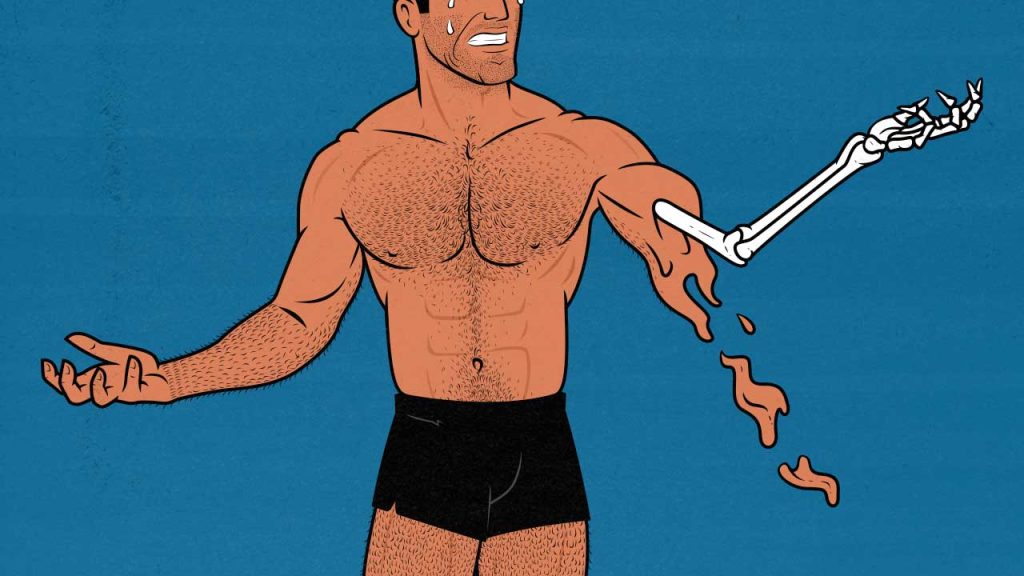
Low protein intake can lead to:
- Increased cravings
- Slow metabolism
- Reduced satiety
What to do instead:
Include protein sources like:
- Paneer
- Eggs
- Dal
- Chicken
- Greek yogurt
5. Ignoring Portion Control
Even healthy foods can cause weight gain if eaten in large quantities.

For example:
- Eating too many nuts
- Overeating fruits
- Large portions of healthy meals
What to do instead:
Practice portion control along with healthy eating.
6. Relying Only on Diet (No Exercise)
Diet alone is not enough for effective weight loss.

Without physical activity:
- Fat loss is slower
- Muscle mass decreases
- Metabolism reduces
What to do instead:
Combine diet with:
- Strength training
- Cardio exercises
- Daily physical activity
7. Being Inconsistent
Consistency is key in any weight loss journey. Many people follow a strict diet on weekdays and overeat on weekends.
This cycle cancels out progress.
What to do instead:
Follow an 80/20 approach:
- 80% healthy eating
- 20% flexibility
8. Emotional Eating
Stress, boredom, or emotions often lead to overeating, especially junk food.

This is one of the most common dieting mistakes.
What to do instead:
- Identify triggers
- Practice mindful eating
- Find healthier coping habits like walking or journaling
9. Lack of Sleep
Sleep is often ignored but plays a major role in weight loss.

Poor sleep can:
- Increase hunger hormones
- Reduce fat burning
- Increase cravings
What to do instead:
Aim for 7–8 hours of quality sleep every night.
10. Not Tracking Progress Properly
Many people rely only on the weighing scale. But weight fluctuates due to water retention, hormones, and other factors.

This can be discouraging.
What to do instead:
Track multiple factors:
- Body measurements
- Energy levels
- Strength improvements
- How your clothes fit
Bonus Mistake: Following Random Diet Plans
Copying someone else’s diet plan may not work for you because:
- Everyone has different metabolism
- Different lifestyle and health conditions
- Different nutritional needs
What to do instead:
Follow a personalized diet plan based on your body and goals.
How to Make Your Diet Successful
To avoid these common diet mistakes, focus on:
✔ Balanced nutrition
✔ Consistency over perfection
✔ Realistic goals
✔ Regular exercise
✔ Proper hydration
✔ Adequate sleep
Conclusion
Diets don’t fail because you lack willpower—they fail because of common mistakes like unrealistic expectations, extreme restrictions, and inconsistency.
The key to successful weight loss is not dieting harder, but dieting smarter.
Focus on building healthy habits that you can maintain for life. Remember, your goal should not just be weight loss—it should be a healthier, stronger, and happier version of yourself.