

Introduction
Electrolytes play a vital role in maintaining overall health, yet many people overlook their importance. Whether you’re an athlete, a working professional, or someone trying to stay healthy, understanding the importance of electrolytes can significantly improve your well-being.
Electrolytes are minerals in your body that carry an electric charge. They are essential for hydration, muscle contractions, nerve function, and maintaining the body’s internal balance. In this blog, we will explore the benefits of electrolytes, their sources, and why maintaining electrolyte balance in the body is crucial.
What Are Electrolytes?
Electrolytes are essential minerals found in your blood, sweat, and urine. The most common electrolytes include:
- Sodium
- Potassium
- Calcium
- Magnesium
- Chloride
- Phosphate
These minerals help regulate various bodily functions, especially fluid balance and nerve signaling.
Importance of Electrolytes in the Body
1. Maintain Proper Hydration

One of the key roles of electrolytes is to maintain fluid balance in the body. Sodium and potassium work together to regulate water levels inside and outside your cells.
When you sweat, your body loses both water and electrolytes. Simply drinking water may not be enough—replenishing electrolytes is equally important for proper hydration.
2. Support Muscle Function

Electrolytes are crucial for muscle contraction and relaxation. Calcium helps muscles contract, while magnesium helps them relax.
An imbalance can lead to:
- Muscle cramps
- Weakness
- Spasms
This is why electrolytes are especially important for athletes and individuals who exercise regularly.
3. Aid Nerve Function
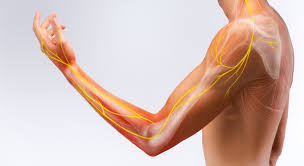
Electrolytes help transmit signals between nerve cells. Sodium and potassium play a key role in sending electrical impulses throughout the body.
Without proper electrolyte balance, nerve communication can be disrupted, leading to symptoms like numbness or tingling.
4. Maintain pH Balance
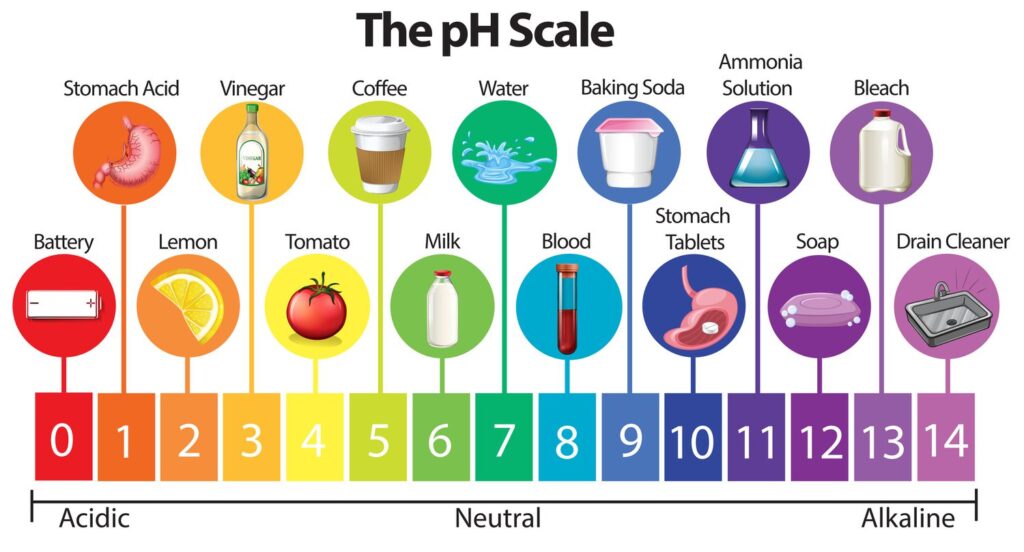
Electrolytes help maintain the body’s acid-base (pH) balance. This ensures that your body functions optimally and prevents conditions caused by acidity or alkalinity imbalance.
5. Regulate Blood Pressure
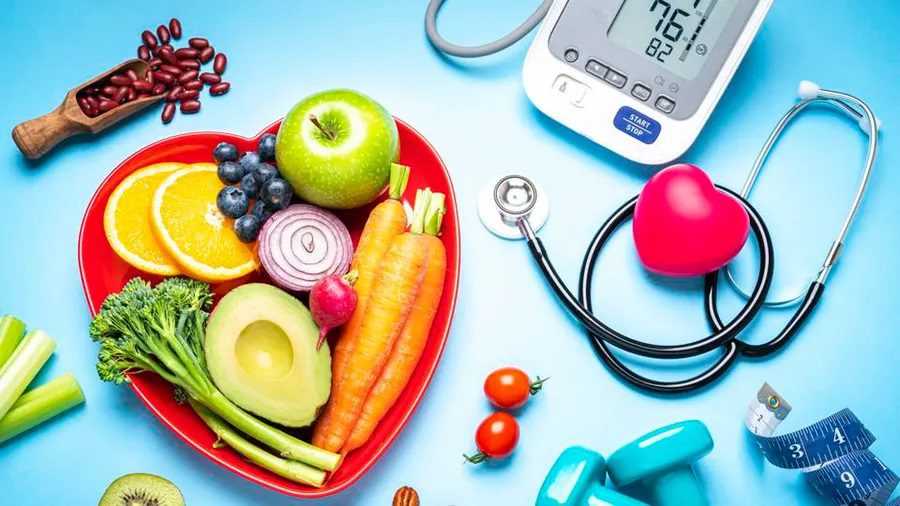
Sodium and potassium help regulate blood pressure levels. While excess sodium can increase blood pressure, potassium helps counterbalance its effects.
Maintaining the right electrolyte balance is essential for heart health.
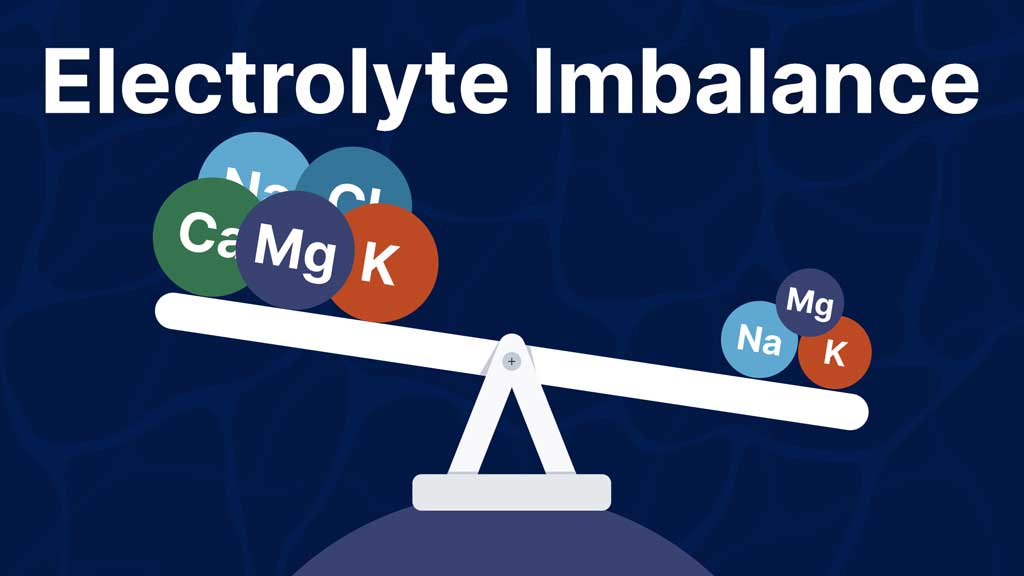
Signs of Electrolyte Imbalance
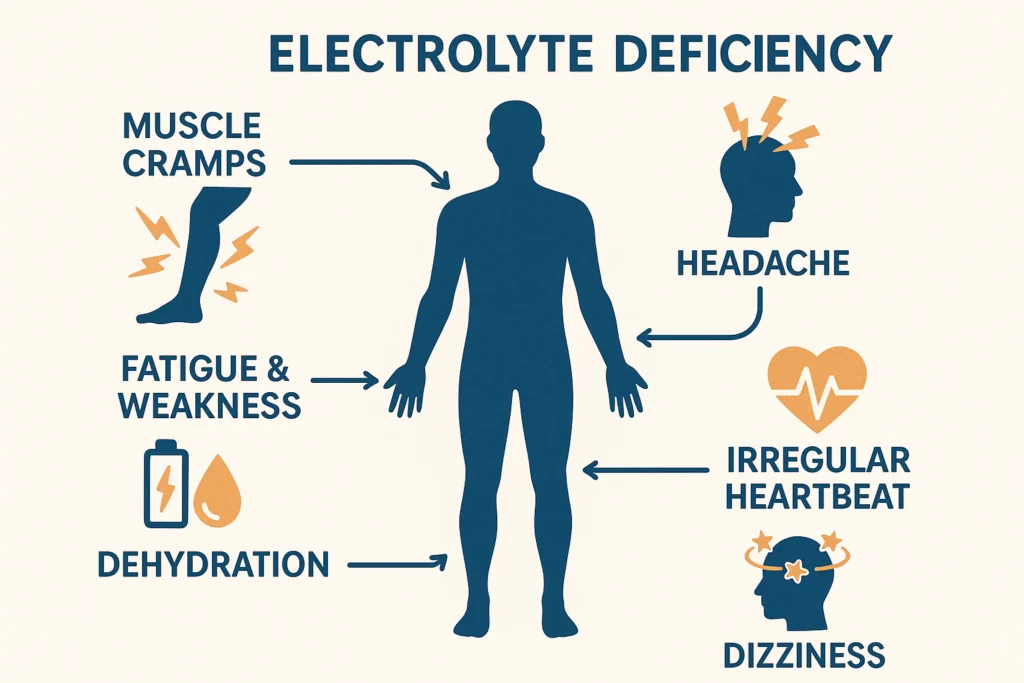
Understanding the signs of electrolyte imbalance is crucial for early intervention. Common symptoms include:
- Fatigue
- Headaches
- Muscle cramps
- Irregular heartbeat
- Nausea
- Dizziness
- Confusion
Severe imbalance can lead to serious health complications, so it should not be ignored.
Common Causes of Electrolyte Imbalance
Several factors can disrupt electrolyte balance in the body:
- Excessive sweating
- Dehydration
- Poor diet
- Vomiting or diarrhea
- Certain medications
- Chronic illnesses
People living in hot climates or engaging in intense physical activity are at higher risk.
Best Natural Sources of Electrolytes
Instead of relying only on artificial drinks, you can include natural sources of electrolytes in your diet:
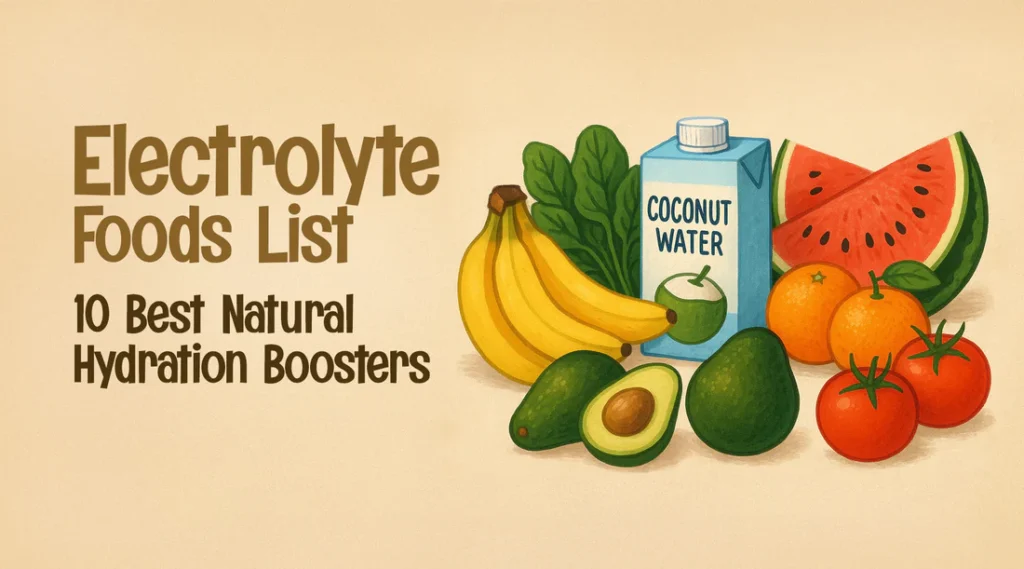
1. Coconut Water
A natural and refreshing source of potassium and sodium.
2. Bananas
Rich in potassium, ideal for muscle function.
3. Dairy Products
Provide calcium and sodium.
4. Leafy Greens
Spinach and kale are excellent sources of magnesium and calcium.
5. Nuts and Seeds
Contain magnesium and essential minerals.
6. Citrus Fruits
Help replenish electrolytes and provide hydration.
Electrolytes for Hydration: When Do You Need Them?
You may need extra electrolytes in situations like:
- Intense workouts
- Hot weather
- Illness (fever, vomiting, diarrhea)
- Pregnancy and breastfeeding
- Fasting or dieting
In such cases, electrolyte-rich drinks or foods can help restore balance effectively.
Tips to Maintain Electrolyte Balance
Here are some simple ways to maintain electrolyte balance in the body:
- Stay hydrated throughout the day
- Include a balanced diet with fruits and vegetables
- Avoid excessive processed foods (high in sodium)
- Replenish electrolytes after workouts
- Limit sugary sports drinks
- Listen to your body’s signals
Conclusion
The importance of electrolytes goes far beyond hydration. They are essential for muscle function, nerve signaling, pH balance, and overall health. Ignoring electrolyte balance can lead to fatigue, cramps, and even serious health issues.
By including natural sources of electrolytes in your daily diet and staying mindful of your hydration levels, you can maintain optimal health and improve your overall performance.
Whether you are a fitness enthusiast or simply aiming for a healthier lifestyle, understanding and maintaining electrolyte balance is key.