
Introduction
Anemia is one of the most common nutritional deficiencies, especially among women, children, and pregnant individuals. It occurs when your body lacks enough healthy red blood cells or hemoglobin to carry oxygen efficiently. The most common type is iron deficiency anemia, which can be managed effectively with the right diet.
A well-planned anemia diet can significantly improve hemoglobin levels and overall energy. In this blog, we will explore the best iron-rich foods, a sample diet plan, and tips to enhance iron absorption.
What Causes Anemia?
Before diving into the diet, it is important to understand the common causes:
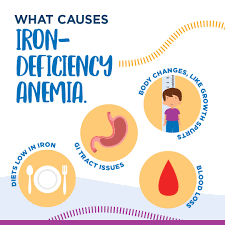
- Low intake of iron-rich foods
- Poor absorption of iron
- Blood loss (menstruation, injury)
- Increased iron needs (pregnancy)
- Certain medical conditions
Types of Iron in Food
There are two types of dietary iron:
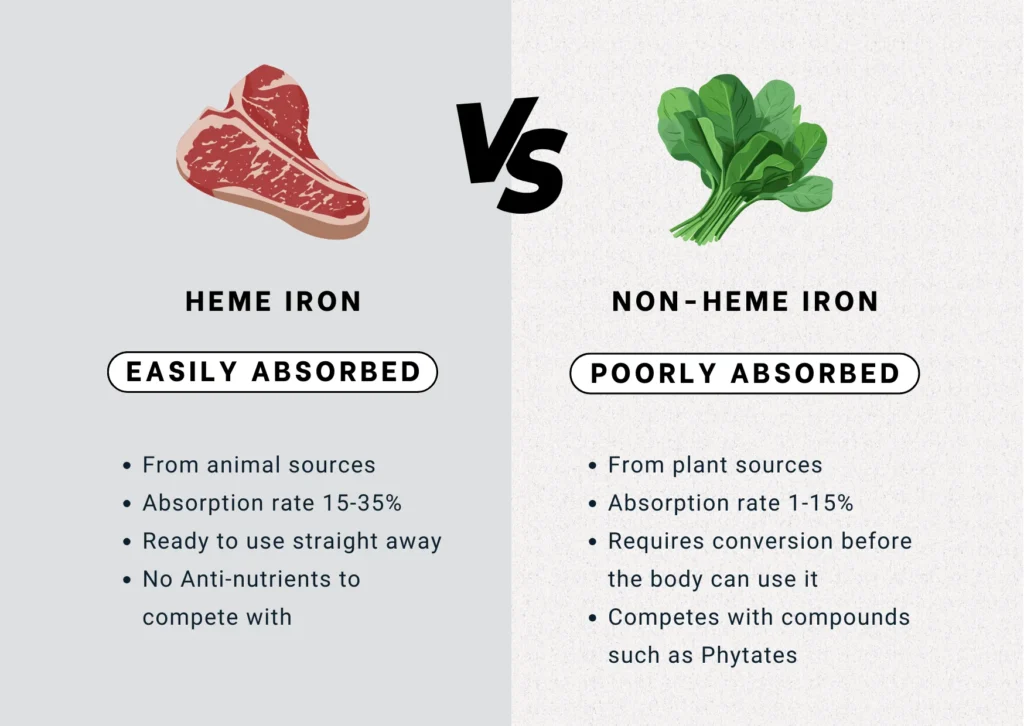
1. Heme Iron
- Found in animal-based foods
- Easily absorbed by the body
2. Non-Heme Iron
- Found in plant-based foods
- Requires vitamin C for better absorption
Top Iron-Rich Foods for Anemia
1. Green Leafy Vegetables
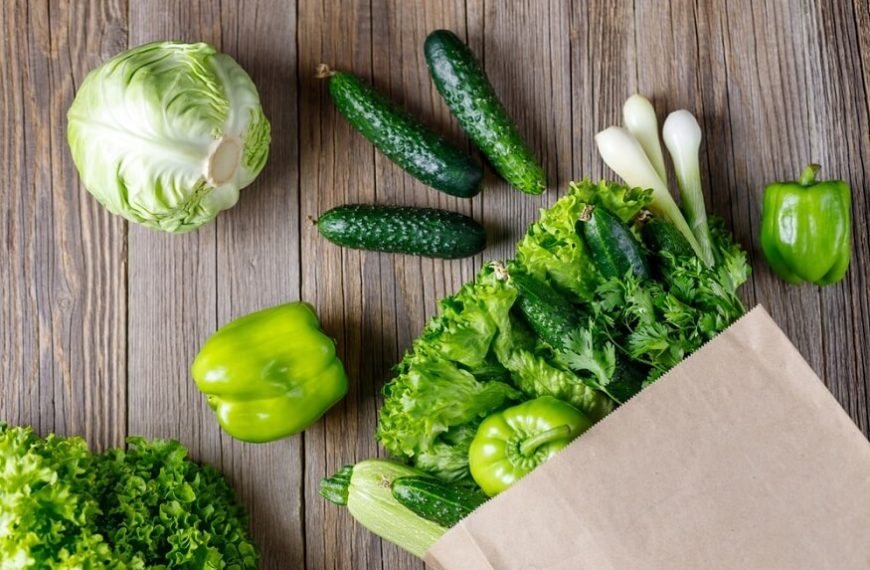
Spinach, fenugreek (methi), and amaranth leaves are rich in non-heme iron. They also contain folate, which helps in red blood cell production.
2. Jaggery (Gur)
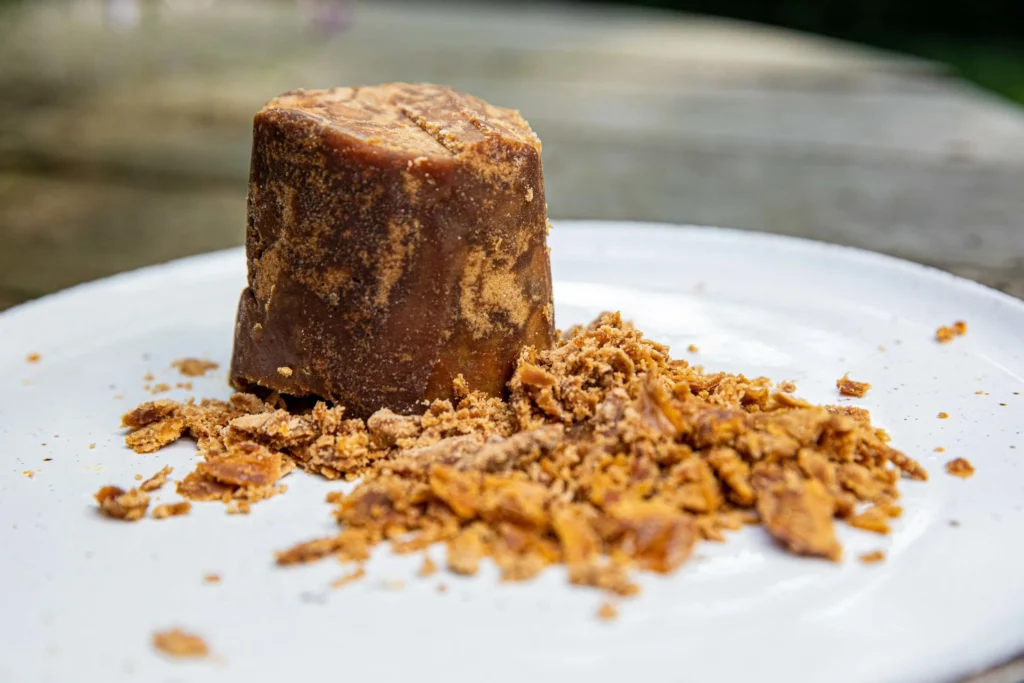
A natural sweetener packed with iron, jaggery is highly beneficial for improving hemoglobin levels.
3. Dates and Raisins
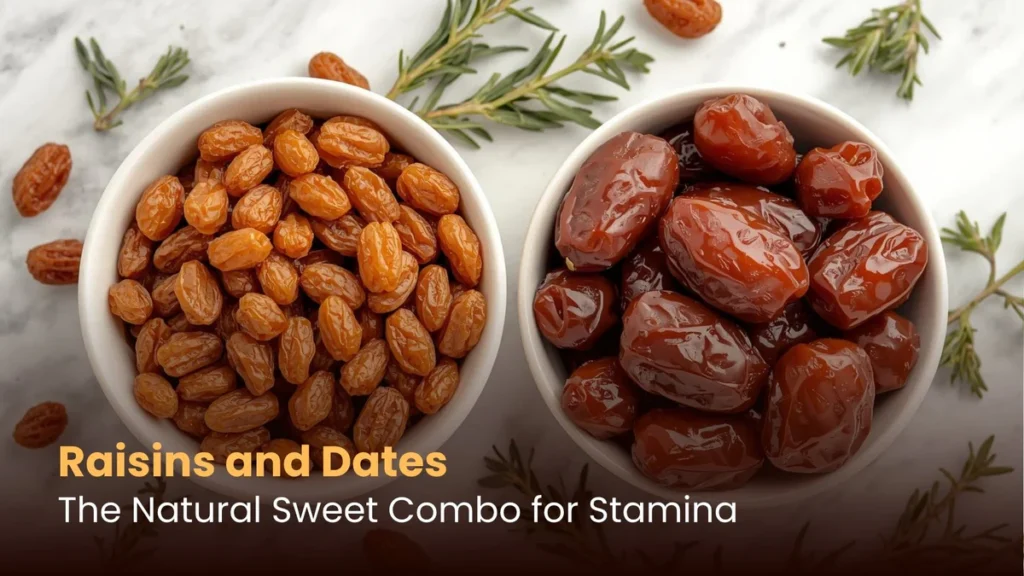
Dry fruits like dates (khajoor) and raisins (kishmish) are excellent snacks to boost iron intake.
4. Legumes and Pulses
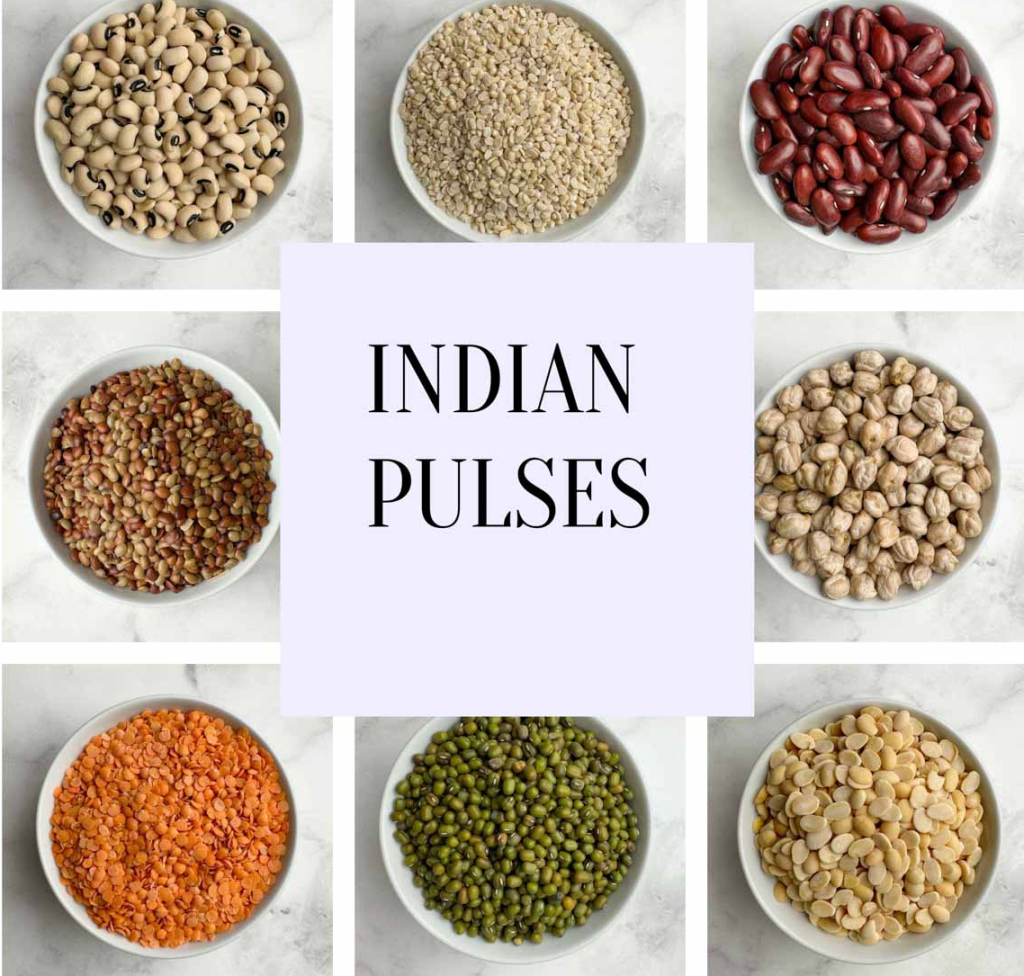
Lentils (dal), chickpeas (chana), and kidney beans (rajma) are great plant-based iron sources.
5. Beetroot
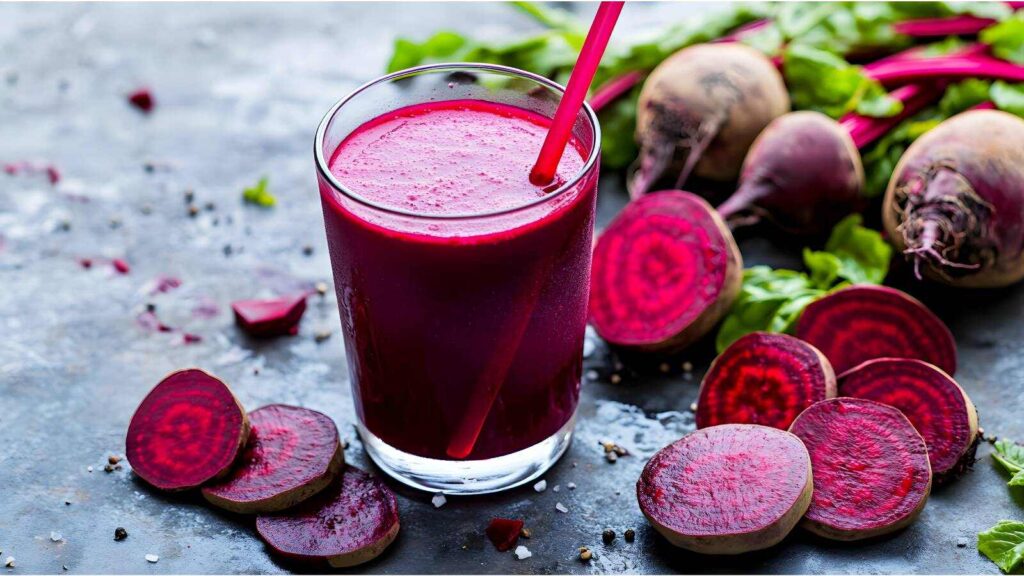
Beetroot helps in improving blood quality and supports hemoglobin formation.
6. Pomegranate
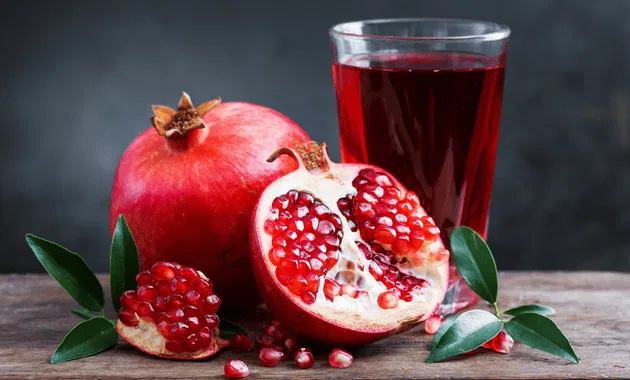
Rich in iron and vitamin C, pomegranate helps increase blood count naturally.
7. Nuts and Seeds
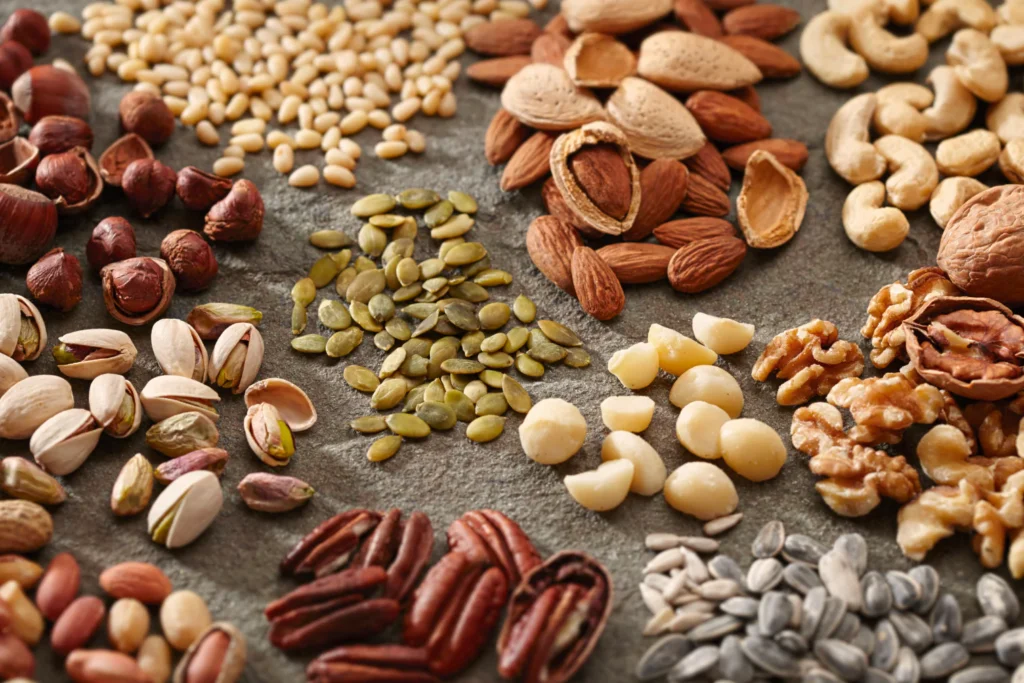
Pumpkin seeds, sesame seeds (til), and almonds are good sources of iron.
8. Animal-Based Foods
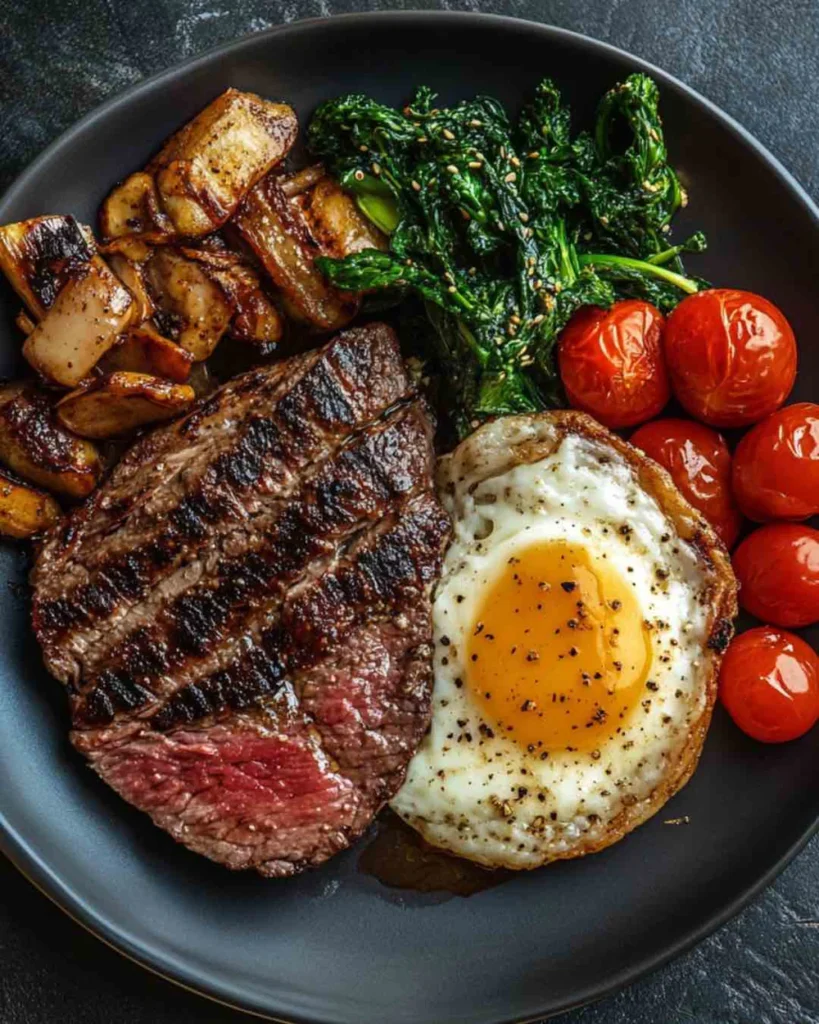
Eggs, chicken, and liver provide heme iron, which is more easily absorbed.
Foods That Improve Iron Absorption
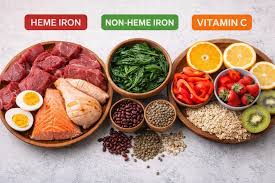
To maximize iron intake, combine iron-rich foods with:
- Vitamin C-rich foods (lemon, orange, amla)
- Tomatoes
- Bell peppers
Example: Squeeze lemon on spinach or dal to boost absorption.
Foods to Avoid with Iron
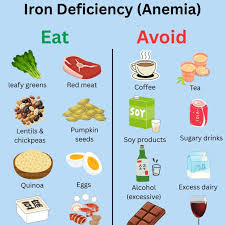
Certain foods can block iron absorption if consumed together:
- Tea and coffee
- Calcium-rich foods (milk, cheese)
- Processed foods
Avoid consuming these immediately after iron-rich meals.
Sample Anemia Diet Plan (Indian)
Early Morning
- 1 glass warm water with lemon
- 4–5 soaked raisins + 2 dates
Breakfast
- Vegetable poha with peanuts + lemon
OR - Spinach paratha with curd
Mid-Morning Snack
- 1 pomegranate or orange juice
Lunch
- 1 bowl dal (lentils)
- 1 bowl green sabzi (spinach/methi)
- 2 chapati (multigrain)
- Salad with lemon
Evening Snack
- Roasted chana + jaggery
OR - Beetroot juice
Dinner
- Vegetable khichdi / brown rice + rajma
- Mixed vegetable salad
Bedtime
- Handful of pumpkin seeds or almonds
Lifestyle Tips to Manage Anemia
- Cook in iron utensils to increase iron content
- Stay hydrated
- Include regular physical activity
- Get regular blood tests
- Follow a consistent diet plan
Special Considerations
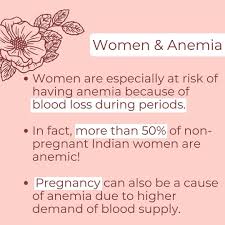
For Women
Women are more prone to anemia due to menstruation. Including iron-rich foods daily is essential.
For Pregnant Women
Iron requirements increase significantly. Consult a nutritionist for a personalized plan.
For Vegetarians
Focus on combining plant-based iron sources with vitamin C foods.
Conclusion
Anemia can be effectively managed and even reversed with the right dietary choices. Including iron-rich foods along with proper absorption strategies is key to improving hemoglobin levels naturally.
Consistency is the most important factor—small daily changes in your diet can lead to significant health improvements over time. If symptoms persist, always consult a healthcare professional.