
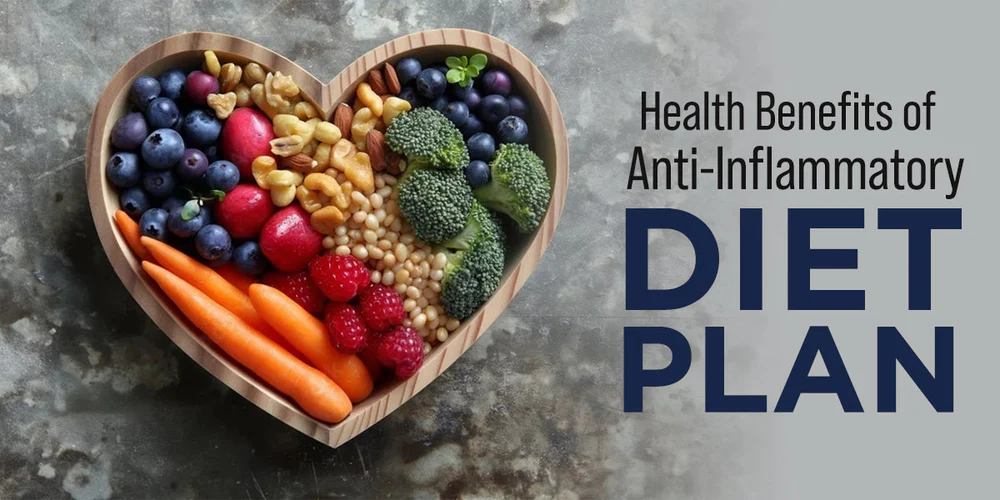
Anti-Inflammatory Diet for Daily Lifestyle: A Complete Guide for Better Health
Inflammation is a natural defense mechanism of the body, but when it becomes chronic, it can silently affect your health—leading to fatigue, weight gain, joint pain, poor digestion, high blood pressure, diabetes, and even heart disease. The good news is that your daily food choices can powerfully control inflammation. An anti-inflammatory diet is not a strict “diet plan” but a flexible eating lifestyle that nourishes your body with foods that calm inflammation and protects long-term health.
This guide explains everything you need to include in your everyday routine, along with Indian-friendly food options and simple habits that anyone can follow.
What Is an Anti-Inflammatory Diet?
An anti-inflammatory diet includes foods that naturally reduce inflammation in the body, support gut health, and provide essential antioxidants. It focuses on whole foods, plant-based ingredients, healthy fats, and balanced meals while avoiding processed and inflammatory items.
This diet works best as a daily lifestyle approach, not a temporary diet. It improves:
- Energy levels
- Digestion
- Immunity
- Skin health
- Hormonal balance
- Weight management
- Joint mobility
Why Chronic Inflammation Happens
Several modern lifestyle factors trigger excess inflammation:

- Processed foods, sugary snacks, fried items
- High-stress levels
- Poor sleep schedule
- Sedentary lifestyle
- Excess caffeine/alcohol
- Pollutants and chemicals
By changing your food habits, you can significantly lower this inflammation and support better metabolic health.
Best Anti-Inflammatory Foods to Include Daily
1. Fruits and Vegetables (High in Antioxidants)
Colorful produce is rich in vitamins, minerals, and polyphenols—natural compounds that fight free radicals.

Best choices:
- Berries (blueberry, strawberry)
- Apples, papaya, pomegranate
- Oranges, lemon
- Leafy greens (spinach, methi, sarso)
- Broccoli, carrot, beetroot
- Tomatoes, bell peppers
Daily Tip: Aim for 4–5 servings per day, including at least one fruit and two vegetables.
2. Healthy Fats (Reduce Joint Inflammation)
Good fats support heart health and reduce pain/inflammation.

Include:
- Extra virgin olive oil
- Avocado
- Nuts: almonds, walnuts
- Seeds: flaxseed, chia, pumpkin seeds
- Fish: salmon, mackerel, sardines (rich in omega-3)
Indian option: Use groundnut oil or mustard oil in moderation.
3. Whole Grains (Better Gut Health)
Choose grains with fiber, minerals, and slow-digesting carbs.

Best grains:
- Oats
- Brown rice
- Quinoa
- Whole wheat
- Bajra, jowar, ragi (excellent Indian choices)
Avoid refined flour (maida), sugary cereals, and white bread.
4. Lean Proteins
Protein repairs body tissues and reduces inflammatory markers.

Include:
- Egg whites
- Chicken breast
- Fish
- Paneer
- Tofu, soya
- Lentils, beans, dal
Combination idea: Add dal + vegetable + millet roti for a perfect anti-inflammatory Indian meal.
5. Fermented Foods (Gut-Friendly Bacteria)
A healthy gut decreases inflammation naturally.

Options:
- Curd
- Buttermilk
- Idli/dosa batter (fermented)
- Achar (in moderation)
- Kefir
6. Herbs and Spices (Natural Anti-Inflammatories)
Indian spices are extremely powerful for reducing inflammation.

Use daily:
- Turmeric (haldi)
- Ginger
- Garlic
- Cinnamon
- Black pepper
- Tulsi
- Ajwain
Turmeric with black pepper enhances absorption of curcumin, a strong anti-inflammatory compound.
Foods That Increase Inflammation (Avoid or Limit)
To experience the full benefits of this lifestyle, limit these foods:
- Deep-fried snacks
- Sugary drinks (cola, packaged juices)
- Excess sugar (sweets, cakes, pastries)
- Refined flour (maida)
- Processed chips, instant noodles
- Overuse of red meat
- Excess salt
- Preserved meats (sausage, salami)
- Alcohol in excess
Sample Anti-Inflammatory Indian Meal Plan (Daily Routine)
Morning
- Warm water with lemon + 1 tsp soaked chia seeds
- OR turmeric water with black pepper
Breakfast
- Vegetable oats upma / moong dal chilla with green chutney
- OR ragi dosa + coconut chutney
- Add 1 fruit (apple, orange, or berries)
Mid-Morning
- Handful of nuts & seeds
- OR coconut water
- OR buttermilk with roasted jeera
Lunch
- 1–2 millet rotis (bajra/jowar)
- Dal + sabzi (spinach, lauki, karela, bhindi, beetroot)
- 1 bowl salad (cucumber + carrot + lemon)
Evening Snack
- Green tea
- OR roasted chana
- OR fruit bowl
Dinner
- Clear vegetable soup + paneer/tofu stir fry
- OR brown rice + dal + steamed veggies
- OR grilled chicken/fish with sautéed vegetables
Bedtime
- Turmeric milk (haldi doodh) with a pinch of cinnamon
👉 Click here to download the Anti-Inflammatory Diet PDF
Lifestyle Habits That Boost Anti-Inflammatory Benefits
Diet alone isn’t enough—small lifestyle habits make the diet more effective.
1. Prioritize Good Sleep
6–8 hours sleep reduces cortisol (stress hormone) and inflammation.
2. Move Every Day
30–45 minutes of walking, yoga, or strength training improves blood flow and metabolism.
3. Stay Hydrated
Water flushes toxins that trigger inflammation.
4. Manage Stress
Practice: deep breathing, meditation, evening walks, hobbies.
5. Reduce Screen Time
Helps regulate hormones and improves digestion.
Benefits You Can Expect in 4–6 Weeks
With consistent practice, you may experience:
- Reduced bloating and acidity
- Better digestion
- Less joint & muscle pain
- Weight control
- Improved skin glow
- Better stamina
- Balanced hormones
- Stable mood and sleep
Conclusion
An anti-inflammatory diet for daily lifestyle is one of the most sustainable and powerful ways to improve long-term health. By choosing whole foods, Indian herbs, good fats, and simple home-cooked meals, you can reduce chronic inflammation naturally. Combined with movement, sleep, and stress management, this lifestyle leads to better immunity, balanced weight, and overall wellness.
If followed consistently, it becomes a healing lifestyle, not just a temporary diet.