
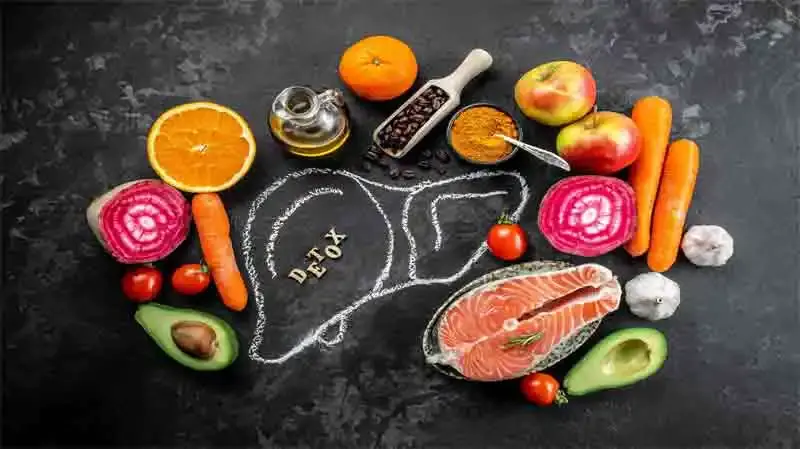
Fatty liver disease has become one of the most common lifestyle health conditions worldwide. Due to unhealthy eating habits, lack of physical activity, obesity, and metabolic disorders, more people are being diagnosed with fatty liver during routine health checkups.
The good news is that fatty liver can often be reversed naturally with the right diet, regular exercise, and healthy lifestyle changes. Understanding the causes, symptoms, and treatment options is the first step toward improving liver health.
In this article, we will explore fatty liver disease in detail, including its causes, symptoms, stages, and the best diet and lifestyle modifications to manage it effectively.
What is Fatty Liver Disease?
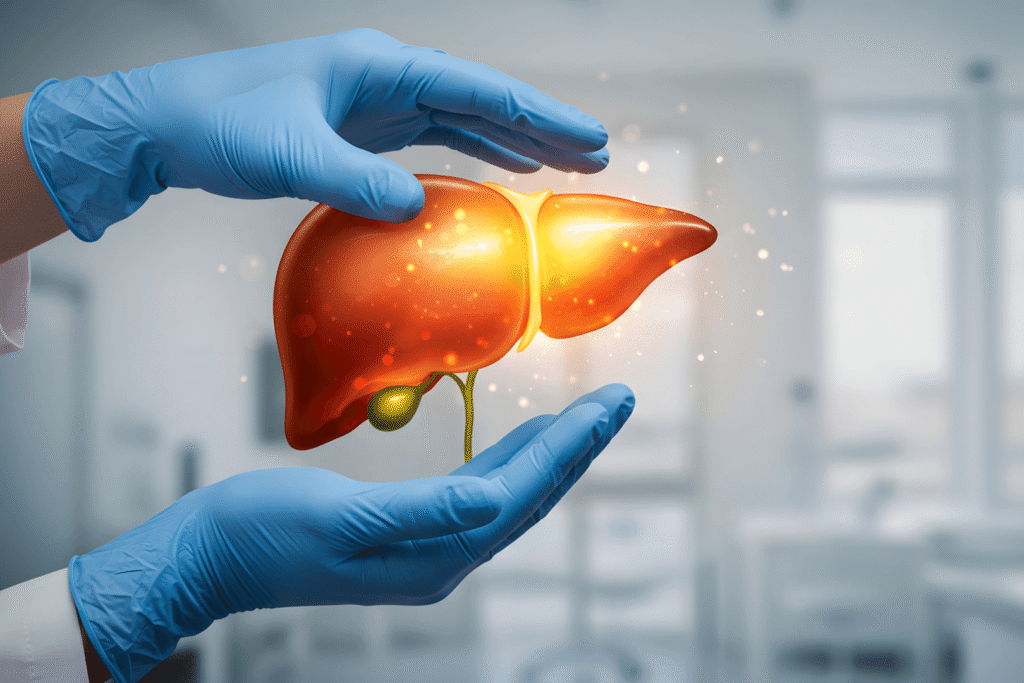
Fatty liver disease occurs when excess fat accumulates in liver cells. Normally, the liver contains small amounts of fat, but when fat makes up more than 5–10% of the liver’s weight, it is considered fatty liver.
There are two main types of fatty liver disease:
1. Non-Alcoholic Fatty Liver Disease (NAFLD)
This type occurs in people who consume little or no alcohol. It is mainly caused by obesity, insulin resistance, poor diet, and metabolic disorders.
NAFLD is now one of the leading causes of chronic liver disease worldwide.
2. Alcoholic Fatty Liver Disease
This occurs due to excessive alcohol consumption, which damages liver cells and leads to fat accumulation.
Both types can progress to serious liver conditions if not managed properly.
Stages of Fatty Liver Disease
Fatty liver disease progresses in stages:
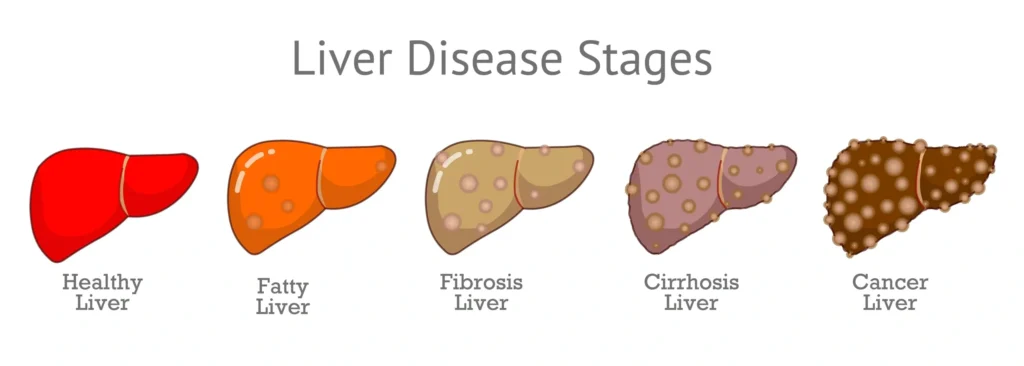
Stage 1: Simple Fatty Liver (Steatosis)
This is the early stage where fat begins to accumulate in the liver but inflammation is minimal. Many people have no symptoms at this stage.
Stage 2: Non-Alcoholic Steatohepatitis (NASH)
In this stage, the liver becomes inflamed and liver cells start getting damaged.
Stage 3: Fibrosis
Continuous inflammation leads to scar tissue formation in the liver.
Stage 4: Cirrhosis
This is the most severe stage where the liver becomes heavily scarred and its function is significantly reduced.
Early detection and lifestyle changes can prevent progression to these advanced stages.
Causes of Fatty Liver Disease
Several factors contribute to the development of fatty liver disease.
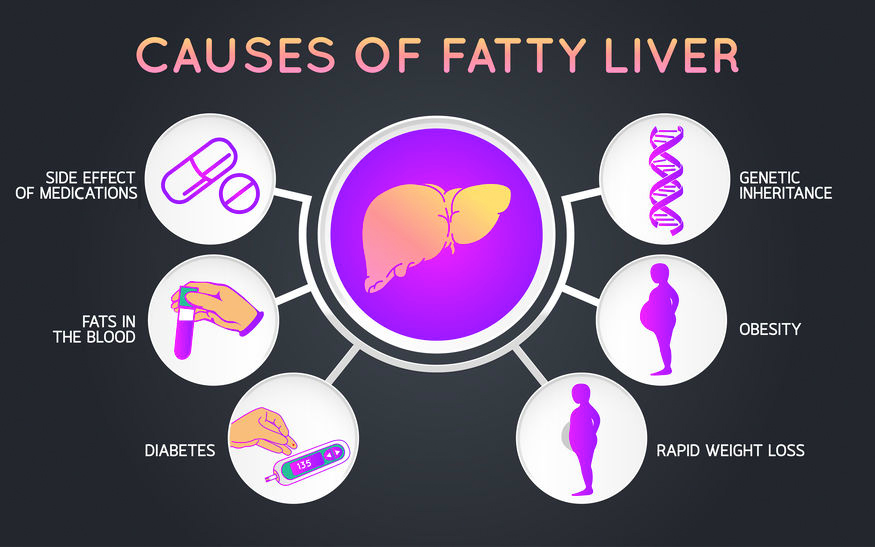
1. Obesity and Overweight
Excess body fat, especially abdominal fat, increases the risk of fat accumulation in the liver.
2. Insulin Resistance and Diabetes
People with type 2 diabetes or insulin resistance have a higher risk of developing fatty liver.
3. Poor Diet
High intake of processed foods, refined carbohydrates, sugary beverages, and unhealthy fats contributes significantly to fatty liver.
4. Lack of Physical Activity
A sedentary lifestyle slows metabolism and promotes fat storage in the liver.
5. High Cholesterol and Triglycerides
Elevated lipid levels in the blood can increase fat deposition in the liver.
6. Rapid Weight Loss
Very rapid weight loss or crash dieting can sometimes worsen fatty liver.
Symptoms of Fatty Liver
Many people with fatty liver do not experience noticeable symptoms, especially in the early stages. However, some may experience:
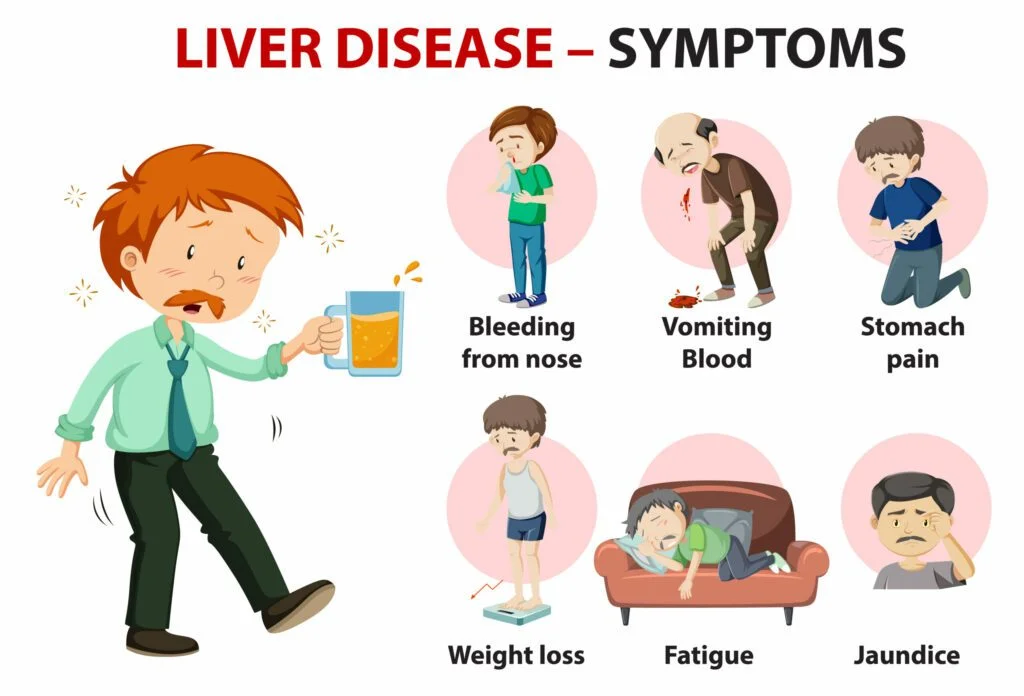
- Fatigue and weakness
- Discomfort or pain in the upper right abdomen
- Unexplained weight gain
- Loss of appetite
- Mild swelling in the abdomen
In advanced stages, symptoms may include:
- Yellowing of skin and eyes (jaundice)
- Severe fatigue
- Swelling in legs and abdomen
Regular health checkups and liver function tests can help detect fatty liver early.
Best Diet for Fatty Liver
Diet plays a crucial role in reversing fatty liver disease. The right nutrition can reduce liver fat, improve metabolism, and prevent disease progression.
Foods to Include
1. Whole Grains
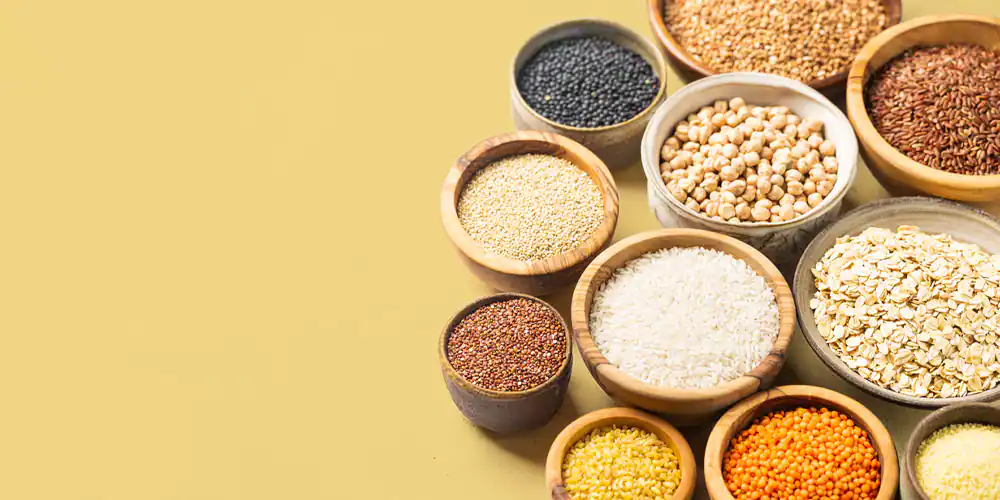
Whole grains such as oats, brown rice, millets, and whole wheat provide fiber that helps regulate blood sugar and reduce fat accumulation.
2. Fruits and Vegetables
Fresh fruits and vegetables are rich in antioxidants, vitamins, and minerals that support liver health.
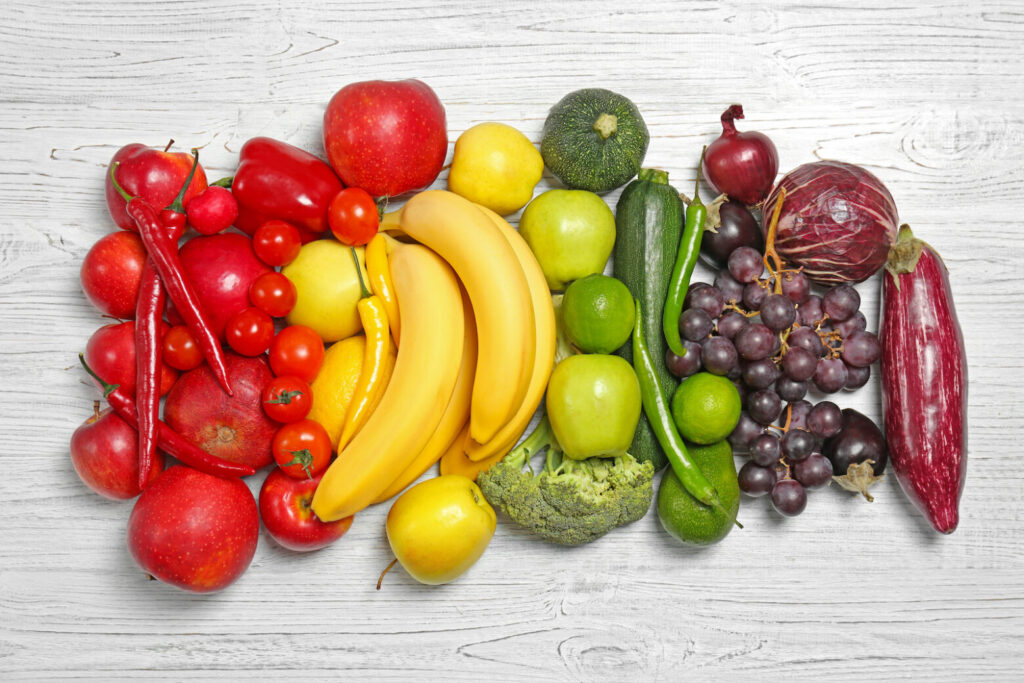
Good options include:
- Apples
- Berries
- Papaya
- Spinach
- Broccoli
- Carrots
3. Lean Protein
Protein helps in repairing liver cells and improving metabolism.
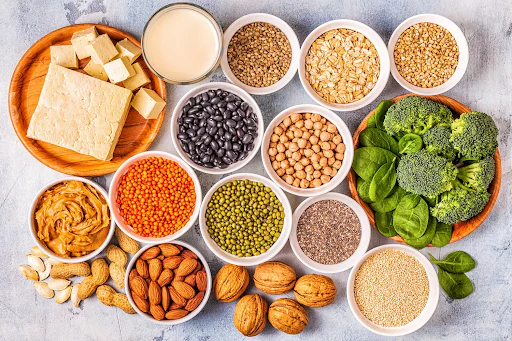
Healthy protein sources include:
- Lentils
- Chickpeas
- Moong dal
- Paneer (in moderation)
- Eggs
- Fish
4. Healthy Fats
Healthy fats help reduce inflammation and support liver function.
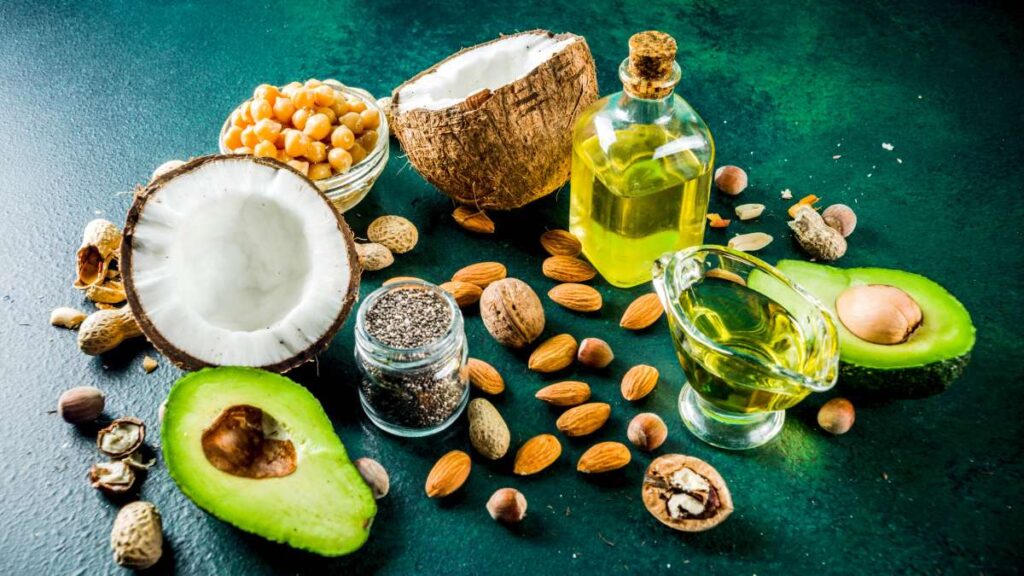
Sources include:
- Nuts
- Seeds
- Olive oil
- Flaxseeds
- Walnuts
5. Hydration

Drinking enough water helps detoxify the body and improves liver function.
Herbal teas and lemon water can also support digestion and metabolism.
Foods to Avoid in Fatty Liver
Certain foods worsen fatty liver and should be limited or avoided.
Sugary Foods
Excess sugar gets converted into fat and stored in the liver.
Avoid:
- Sweets
- Cakes and pastries
- Sweetened beverages
- Packaged juices
Refined Carbohydrates
Foods made with refined flour increase blood sugar spikes.
Limit:
- White bread
- Pizza
- Pasta made with refined flour
Fried and Processed Foods
These foods contain unhealthy fats and additives that burden the liver.
Avoid:
- Fast food
- Deep fried snacks
- Packaged chips
Excess Alcohol
Alcohol is one of the most harmful substances for the liver and should be avoided completely.
Lifestyle Changes to Reverse Fatty Liver
In addition to diet, lifestyle habits play a major role in improving liver health.
1. Regular Exercise
Physical activity helps burn excess fat and improve insulin sensitivity.

Aim for:
- 30–45 minutes of exercise daily
- Walking, cycling, or gym workouts
- Strength training 3–4 times per week
2. Weight Management
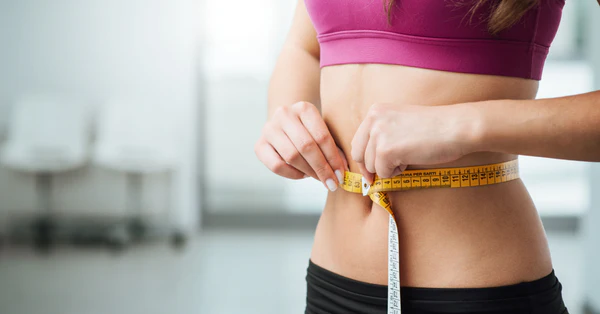
Even 5–10% weight loss can significantly reduce liver fat.
Gradual and sustainable weight loss is recommended rather than crash dieting.
3. Good Sleep

Poor sleep can worsen metabolic disorders and increase fat storage.
Aim for 7–8 hours of quality sleep daily.
4. Stress Management

Chronic stress increases cortisol levels, which can promote fat storage.
Practices such as meditation, yoga, and deep breathing can help manage stress.
Can Fatty Liver Be Reversed?
Yes, fatty liver can often be reversed, especially in its early stages. With proper diet, regular exercise, and healthy lifestyle changes, liver fat can be reduced and liver function can improve.
However, ignoring fatty liver can lead to serious complications such as liver fibrosis and cirrhosis.
Therefore, early diagnosis and proper management are essential.
Final Thoughts
Fatty liver disease is a growing health concern, mainly driven by modern lifestyle habits such as poor diet, sedentary routines, and obesity. The encouraging part is that fatty liver is largely preventable and reversible with the right approach.
A balanced diet, regular physical activity, healthy weight management, and proper medical guidance can significantly improve liver health.
If you have been diagnosed with fatty liver, consulting a qualified dietitian and following a customized diet plan can make a big difference in managing the condition effectively.
Taking care of your liver today will help ensure a healthier future.