
Introduction
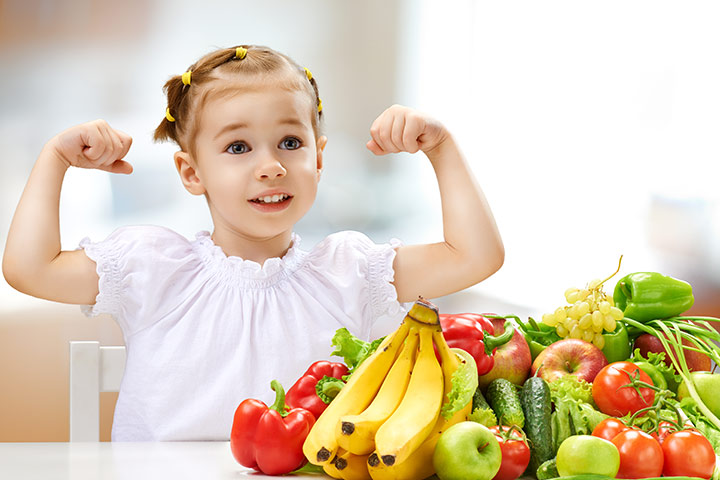
Kids nutrition plays a crucial role in a child’s physical growth, brain development, immunity, and overall well-being. The eating habits formed during childhood often continue into adulthood, making early nutrition one of the strongest foundations for lifelong health. In today’s fast-paced world, children are increasingly exposed to processed foods, sugary snacks, and irregular meal patterns, which can lead to nutritional deficiencies, poor immunity, obesity, or delayed development.
A balanced diet for children is not about strict rules or forcing food. It is about providing the right nutrients in the right amounts, encouraging variety, and creating a positive relationship with food. This guide will help parents, caregivers, and educators understand the basics of kids nutrition, essential nutrients, healthy food choices, and practical tips to support optimal growth and development.

Why Kids Nutrition Is Important
Good nutrition during childhood supports:
- Healthy physical growth (height, weight, muscle, and bone development)
- Brain development and learning ability
- Strong immunity to fight infections
- Energy levels and concentration
- Healthy digestion and metabolism
- Prevention of lifestyle diseases later in life
Poor nutrition in children can result in frequent illnesses, fatigue, poor academic performance, delayed milestones, anemia, weak bones, or unhealthy weight gain. This is why focusing on healthy food for kids is essential from an early age.
Essential Nutrients for Kids
1. Carbohydrates
Carbohydrates are the primary source of energy for growing children. They support daily activities, learning, and play.
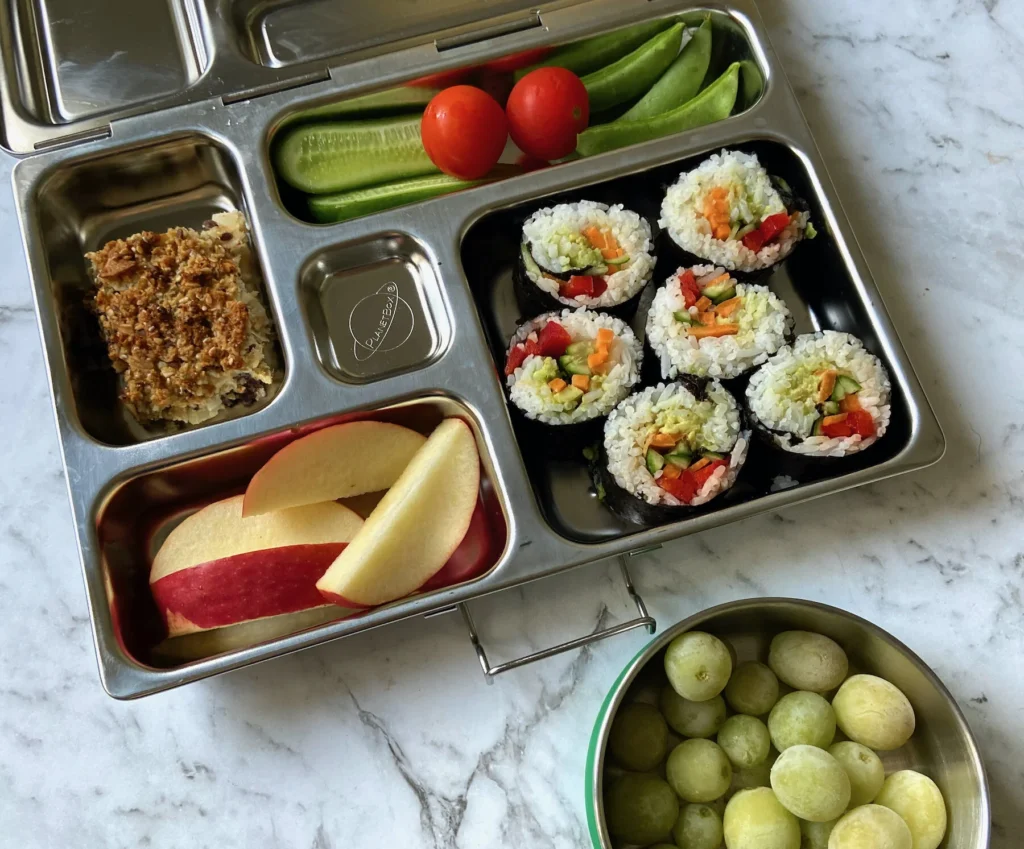
Healthy sources:
- Whole wheat chapati
- Rice, millets (jowar, bajra, ragi)
- Oats
- Fruits and vegetables
Avoid refined carbohydrates like white bread, biscuits, and sugary cereals.
2. Protein
Protein is essential for growth, muscle development, tissue repair, and immunity.
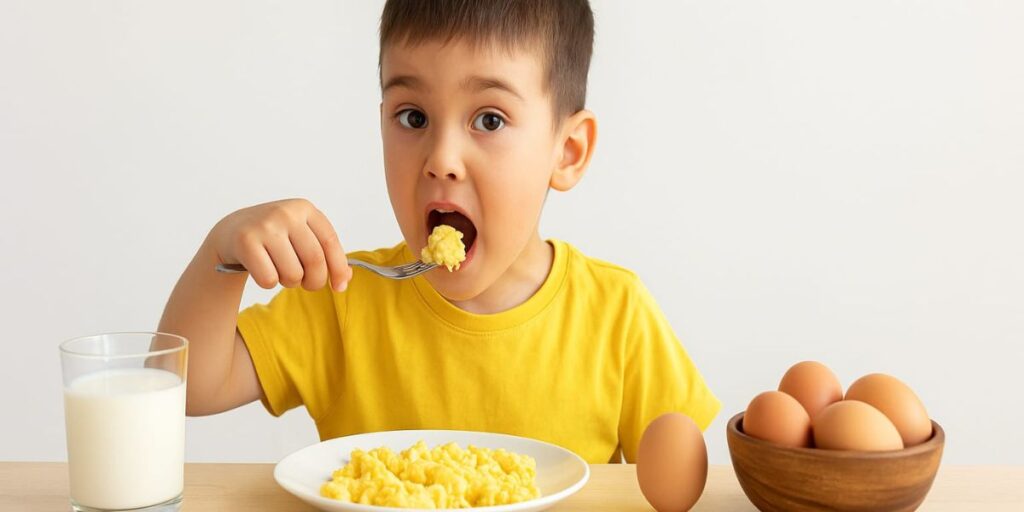
Protein-rich foods for kids:
- Milk, curd, paneer
- Pulses, lentils, chickpeas
- Sprouts
- Eggs
- Nuts and seeds
Including protein in every main meal helps maintain energy and supports proper growth.
3. Healthy Fats
Fats are important for brain development, hormone production, and absorption of fat-soluble vitamins.
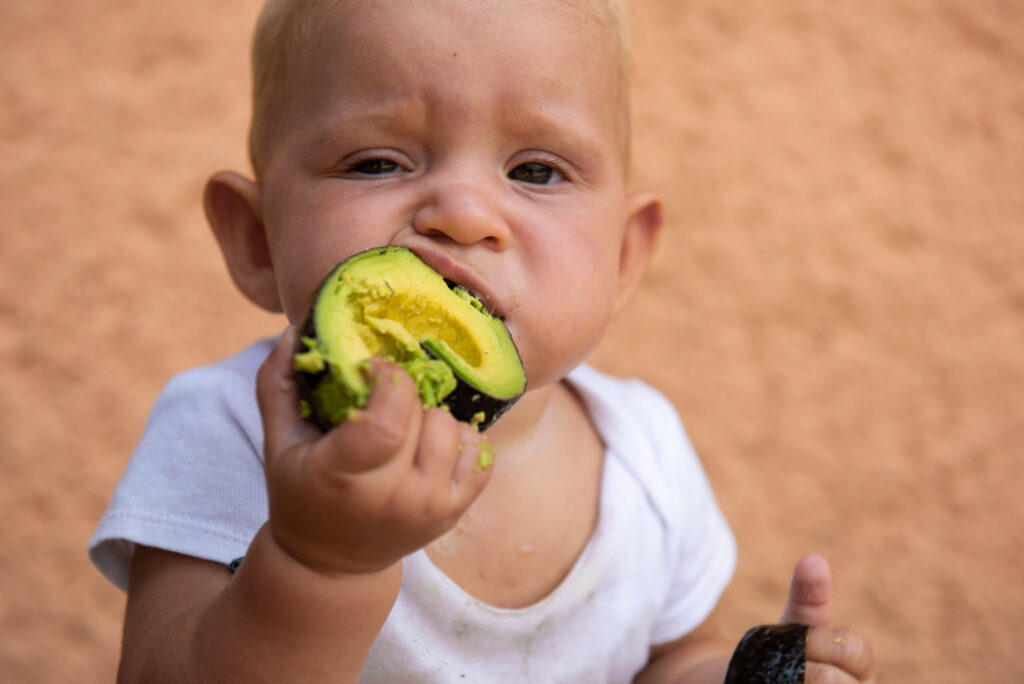
Good fat sources:
- Ghee (in moderation)
- Nuts and seeds
- Peanut butter
- Coconut
- Vegetable oils
Avoid trans fats and deep-fried junk foods.
4. Vitamins and Minerals
Micronutrients play a vital role in immunity, bone strength, vision, and metabolism.

- Calcium & Vitamin D: Strong bones and teeth (milk, curd, sunlight exposure)
- Iron: Prevents anemia and improves concentration (green leafy vegetables, dates, jaggery, lentils)
- Vitamin A: Supports eye health (carrots, pumpkin, mango)
- Vitamin C: Boosts immunity (citrus fruits, amla, guava)
- Zinc: Supports growth and immunity (nuts, seeds, whole grains)
Balanced Diet for Children
A balanced diet for children should include foods from all food groups in appropriate portions:
- Cereals and whole grains
- Pulses, dairy, and protein foods
- Vegetables (especially green leafy and colorful vegetables)
- Fruits
- Healthy fats
Sample Balanced Meal Plate for Kids
- ½ plate vegetables
- ¼ plate cereals or grains
- ¼ plate protein foods
- 1 serving of fruit
- 1 dairy serving
Healthy Eating Habits for Children
Developing healthy eating habits is as important as food quality.
- Maintain fixed meal and snack timings
- Avoid skipping breakfast
- Encourage home-cooked meals
- Limit screen time during meals
- Let kids eat mindfully
- Introduce new foods slowly and repeatedly
- Be a role model by eating healthy
Avoid using food as a reward or punishment.
Common Nutrition Problems in Kids
1. Picky Eating
Picky eating is common in children. Instead of forcing, offer variety and repeated exposure.
2. Anemia
Iron deficiency anemia is common due to poor intake of iron-rich foods.
3. Childhood Obesity
Excess junk food, sugary drinks, and lack of physical activity can lead to obesity.
4. Weak Immunity
Poor nutrition can make children fall sick frequently.
Early dietary correction can prevent long-term health issues.
Immunity-Boosting Foods for Kids
- Fruits like oranges, papaya, and guava
- Green leafy vegetables
- Nuts and seeds
- Turmeric, ginger
- Curd and fermented foods
- Adequate water intake
Tips for Parents to Improve Kids Nutrition
- Plan weekly meals
- Keep healthy snacks ready
- Involve kids in grocery shopping and cooking
- Avoid comparison with other children
- Focus on consistency, not perfection
Conclusion
Kids nutrition is the cornerstone of healthy growth, strong immunity, and lifelong well-being. A balanced diet for children, combined with healthy eating habits and an active lifestyle, ensures proper physical and mental development. By introducing nutritious foods early and creating a positive food environment, parents can help children grow into healthy and confident adults.
Investing in kids nutrition today is an investment in a healthier future tomorrow.