
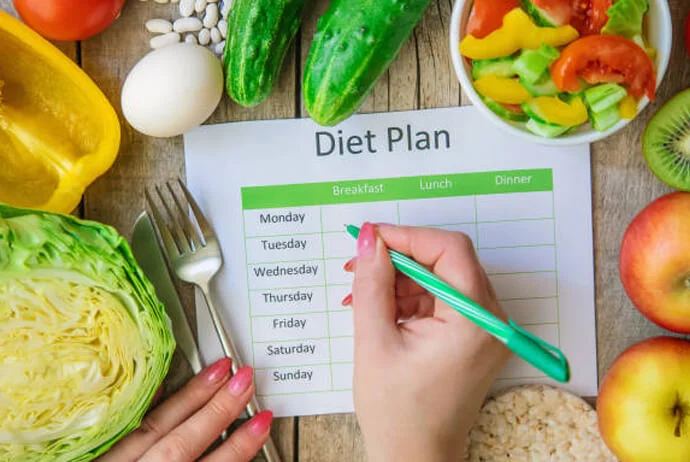
Polycystic Ovary Syndrome (PCOS) is one of the most common hormonal disorders affecting women today. In India, a large number of women experience PCOS due to lifestyle changes, poor eating habits, stress, and lack of physical activity. Symptoms such as irregular periods, weight gain, acne, excessive hair growth, and difficulty in conceiving are commonly associated with this condition.
The good news is that diet plays a very important role in managing PCOS symptoms. A balanced and nutrient-rich diet can help regulate hormones, improve insulin sensitivity, reduce inflammation, and support healthy weight management.
In this article, we will discuss the best PCOS diet plan for Indian women, including foods to eat, foods to avoid, and practical meal ideas that suit Indian lifestyles.
Understanding PCOS and the Role of Diet
PCOS is closely linked to insulin resistance, which means the body cannot use insulin properly. As a result, the pancreas produces more insulin, which increases androgen (male hormone) levels in the body. This hormonal imbalance leads to many PCOS symptoms.
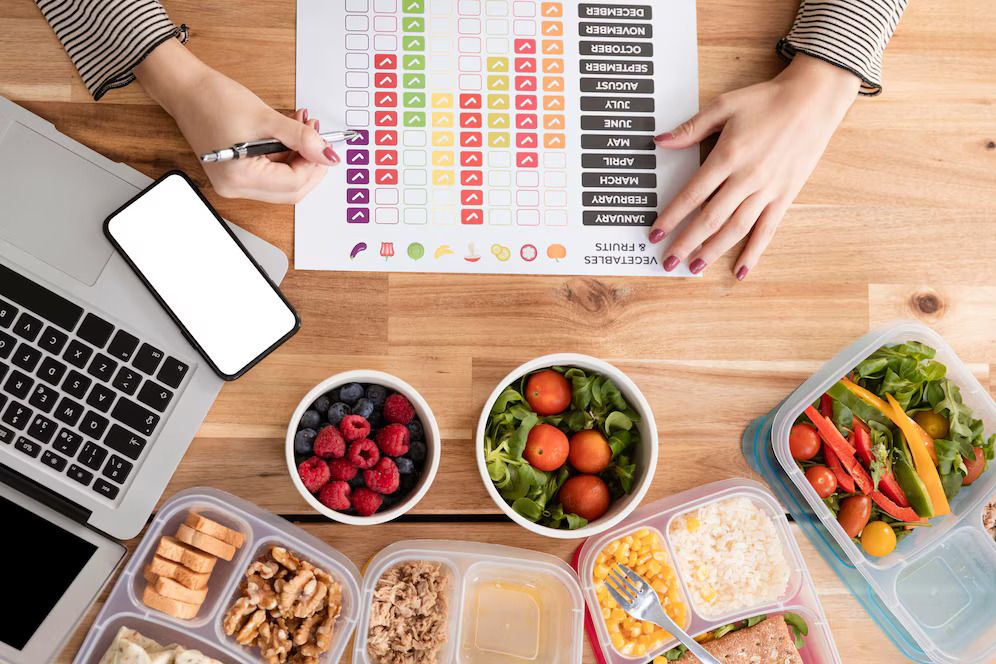
A well-planned diet can help by:
- Controlling blood sugar levels
- Improving insulin sensitivity
- Reducing inflammation
- Supporting healthy weight loss
- Balancing reproductive hormones
This is why following the right Indian diet for PCOS can significantly improve overall health and hormonal balance.
Best Foods to Include in a PCOS Diet Plan
1. High Fiber Foods
Fiber helps control blood sugar levels and improves digestion. It also keeps you full for longer and prevents overeating.
Healthy high-fiber foods include:
- Oats
- Brown rice
- Whole wheat roti
- Quinoa
- Millets (ragi, jowar, bajra)
- Vegetables like broccoli, spinach, and carrots
- Fruits like apples, pears, and guava
Fiber slows down digestion and prevents sudden spikes in blood sugar levels, which is beneficial for women with PCOS.
2. Lean Protein Sources
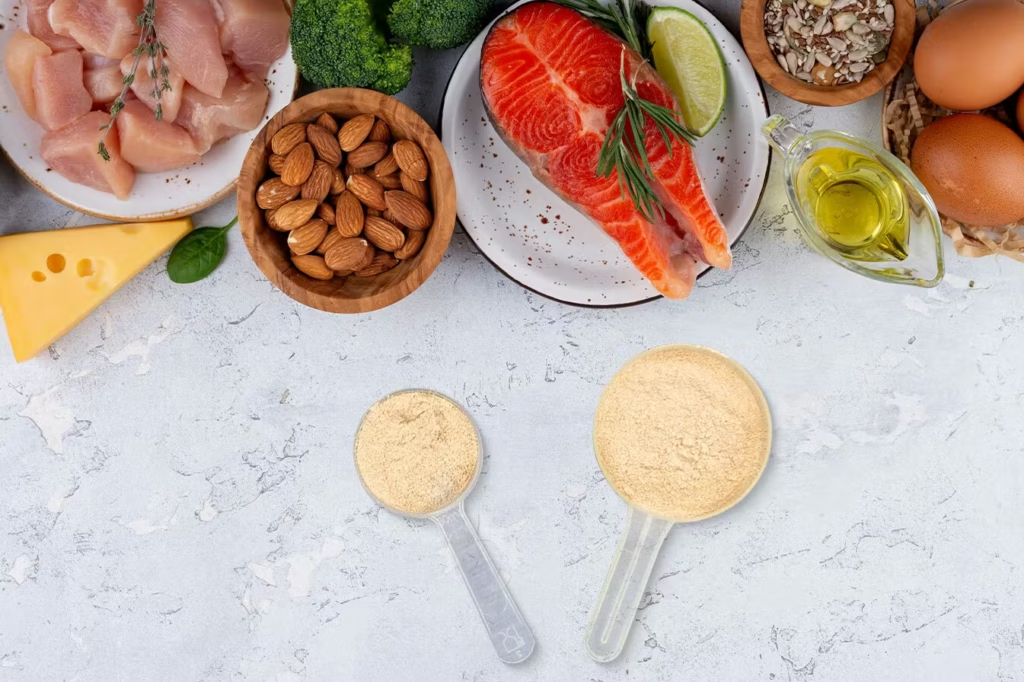
Protein helps stabilize blood sugar levels and supports muscle health. Including protein in every meal can also help reduce cravings.
Good protein options for Indian women include:
- Moong dal
- Masoor dal
- Chana dal
- Paneer
- Tofu
- Eggs
- Greek yogurt (curd)
- Sprouts
Protein-rich foods are essential in a PCOS weight loss diet, especially for women who struggle with obesity or metabolic issues.
3. Healthy Fats
Healthy fats are important for hormone production and reducing inflammation.
Best sources include:
- Almonds
- Walnuts
- Flaxseeds
- Chia seeds
- Olive oil
- Mustard oil
- Avocado
Omega-3 fatty acids found in nuts and seeds help improve hormonal balance and support reproductive health.
4. Low Glycemic Index (GI) Foods
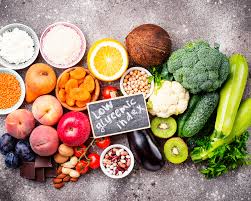
Low-GI foods release sugar slowly into the bloodstream and help manage insulin levels.
Examples include:
- Sweet potatoes
- Lentils
- Beans
- Chickpeas
- Whole grains
These foods are essential in managing insulin resistance in PCOS.
5. Anti-Inflammatory Foods
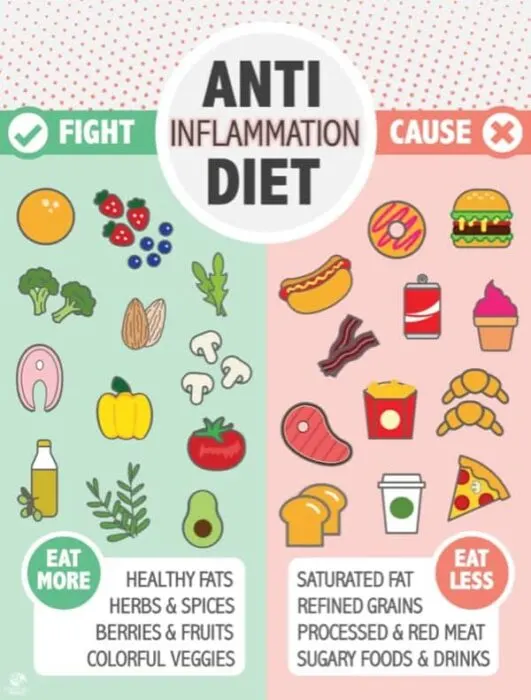
Chronic inflammation is common in women with PCOS. Anti-inflammatory foods help reduce symptoms and improve overall health.
Include foods like:
- Turmeric
- Ginger
- Green tea
- Berries
- Tomatoes
- Leafy greens
Indian spices like turmeric and ginger are powerful natural anti-inflammatory ingredients that can be easily added to daily meals.
Foods to Avoid in PCOS
Just as some foods help improve PCOS symptoms, others can worsen the condition.
Women with PCOS should limit or avoid:
1. Refined Carbohydrates
- White bread
- Maida products
- Bakery items
- White pasta
These foods cause rapid spikes in blood sugar levels.
2. Sugary Foods and Drinks
- Soft drinks
- Packaged fruit juices
- Sweets
- Chocolates
High sugar intake increases insulin resistance and worsens hormonal imbalance.
3. Processed and Junk Food
- Chips
- Fast food
- Fried snacks
These foods contain unhealthy fats and preservatives.
4. Excess Dairy (for some women)
Some women with PCOS may experience worsening symptoms with excessive dairy intake.
Moderation is important.
Sample PCOS Diet Plan for Indian Women
Sample PCOS Diet Plan for Indian Women
Here is a simple daily PCOS diet plan that can help maintain hormonal balance.
Morning (Empty Stomach)
Warm water with lemon and soaked fenugreek seeds.
Breakfast
- Vegetable oats upma
or - Moong dal chilla with mint chutney
or - Vegetable poha with peanuts
Mid-Morning Snack
- 1 fruit (apple or guava)
- Handful of nuts
Lunch
- 1–2 whole wheat rotis or millet rotis
- Dal or grilled paneer
- Mixed vegetable sabzi
- Salad (cucumber, carrot, beetroot)
- Curd
Evening Snack
- Green tea
- Roasted chana or sprouts salad
Dinner
- Vegetable soup
- Paneer bhurji or tofu
- 1 millet roti or small portion of brown rice
Before Bed
- Turmeric milk or chamomile tea
This balanced meal plan helps regulate insulin levels and supports weight management.
Lifestyle Tips to Manage PCOS
Diet alone is not enough to manage PCOS effectively. Lifestyle changes also play a crucial role.

1. Exercise Regularly
Physical activity improves insulin sensitivity and helps maintain a healthy weight.
Recommended activities include:
- Walking
- Strength training
- Yoga
- Cycling
- Swimming
Even 30–45 minutes of daily exercise can significantly improve PCOS symptoms.
2. Maintain a Healthy Weight
Weight loss of even 5–10% of body weight can help regulate menstrual cycles and improve fertility in women with PCOS.
3. Manage Stress
Stress increases cortisol levels, which can worsen hormonal imbalance.
Helpful stress-management techniques include:
- Meditation
- Deep breathing
- Yoga
- Adequate sleep
4. Stay Hydrated
Drinking enough water supports metabolism and helps reduce bloating and fatigue.
Aim for 2.5–3 liters of water per day.
Benefits of Following a PCOS Diet Plan
Following a structured PCOS diet plan for Indian women can provide several health benefits:
- Improved hormonal balance
- Regular menstrual cycles
- Better insulin sensitivity
- Healthy weight management
- Reduced acne and hair growth
- Improved fertility
A proper diet combined with a healthy lifestyle can significantly reduce PCOS symptoms and improve overall quality of life.
Conclusion
PCOS is a manageable condition when addressed with the right lifestyle and dietary habits. A balanced Indian PCOS diet plan that includes whole grains, fiber-rich foods, lean proteins, healthy fats, and anti-inflammatory ingredients can help control insulin levels and support hormonal balance.
Avoiding refined sugars, processed foods, and unhealthy fats is equally important.
Every woman’s body is different, so personalized nutrition guidance can be very helpful. With the right diet, exercise routine, and stress management techniques, women with PCOS can successfully manage their symptoms and lead a healthy life.