

Introduction
The postpartum period, also known as the fourth trimester, is a crucial phase in a woman’s life. After delivery, the body undergoes major physical, hormonal, and emotional changes. A well-planned postpartum diet plays a key role in faster recovery, boosting energy, supporting breastfeeding, and improving mental health.
Many new mothers focus only on baby care and forget their own nutrition. However, proper nutrition is essential to heal the body, replenish nutrient stores, and prevent postpartum complications like fatigue, anemia, hair fall, and mood swings.
In this blog, we will explore the best postpartum diet plan, essential nutrients, Indian food options, and practical tips for faster recovery.
Why Postpartum Nutrition is Important
During pregnancy and childbirth, the mother’s body loses many nutrients such as iron, calcium, vitamin D, and protein. Additionally, breastfeeding increases calorie and nutrient requirements.
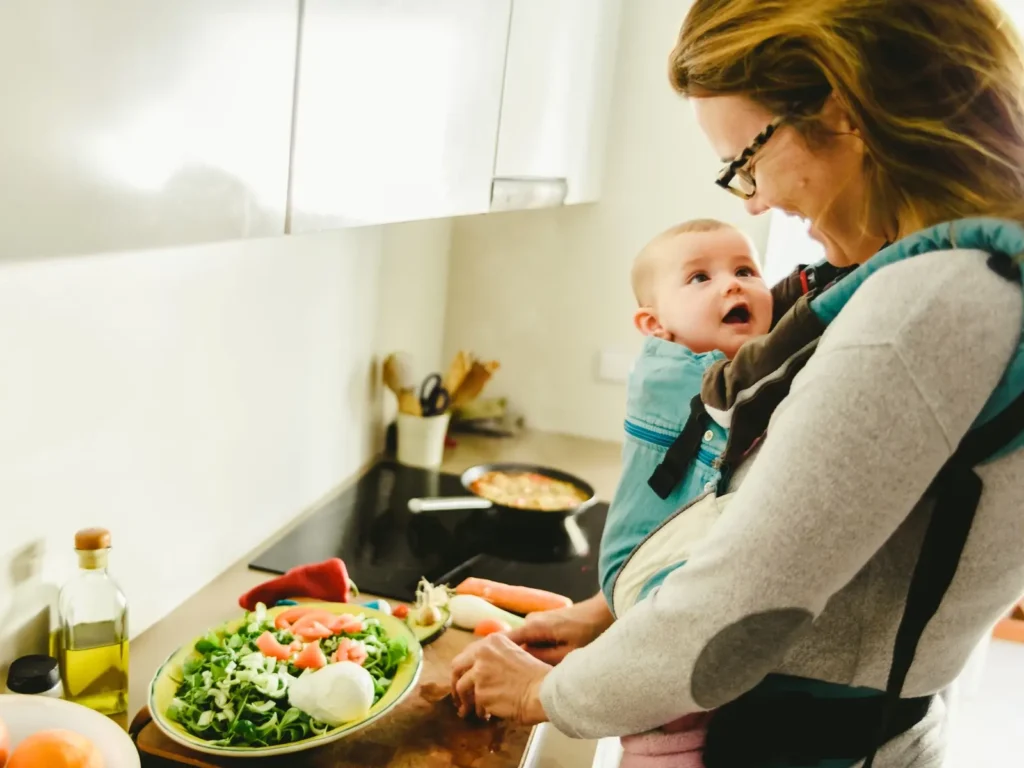
A balanced postpartum diet helps in:
- Faster healing of tissues and muscles
- Preventing anemia and weakness
- Supporting breast milk production
- Improving mood and reducing postpartum depression risk
- Restoring hormonal balance
- Supporting healthy weight loss
Essential Nutrients for Postpartum Recovery
1. Protein
Protein is vital for tissue repair, muscle recovery, and milk production. It also helps maintain energy levels.
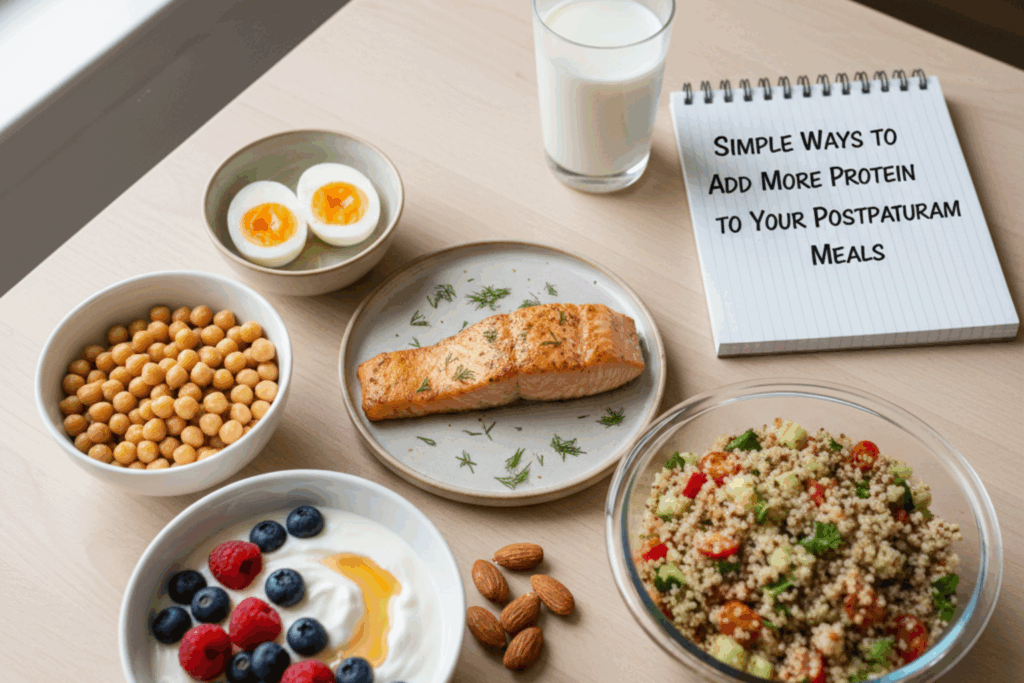
Best sources:
- Paneer, curd, milk
- Eggs
- Fish and chicken
- Lentils (dal), sprouts
- Nuts and seeds
2. Iron
Iron is crucial to prevent postpartum anemia, especially after blood loss during delivery.
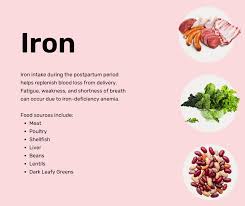
Best sources:
- Green leafy vegetables (spinach, fenugreek)
- Beetroot
- Dates and raisins
- Jaggery
- Red meat and liver (if non-vegetarian)
3. Calcium and Vitamin D
Calcium is important for bone health and milk production. Vitamin D helps calcium absorption.
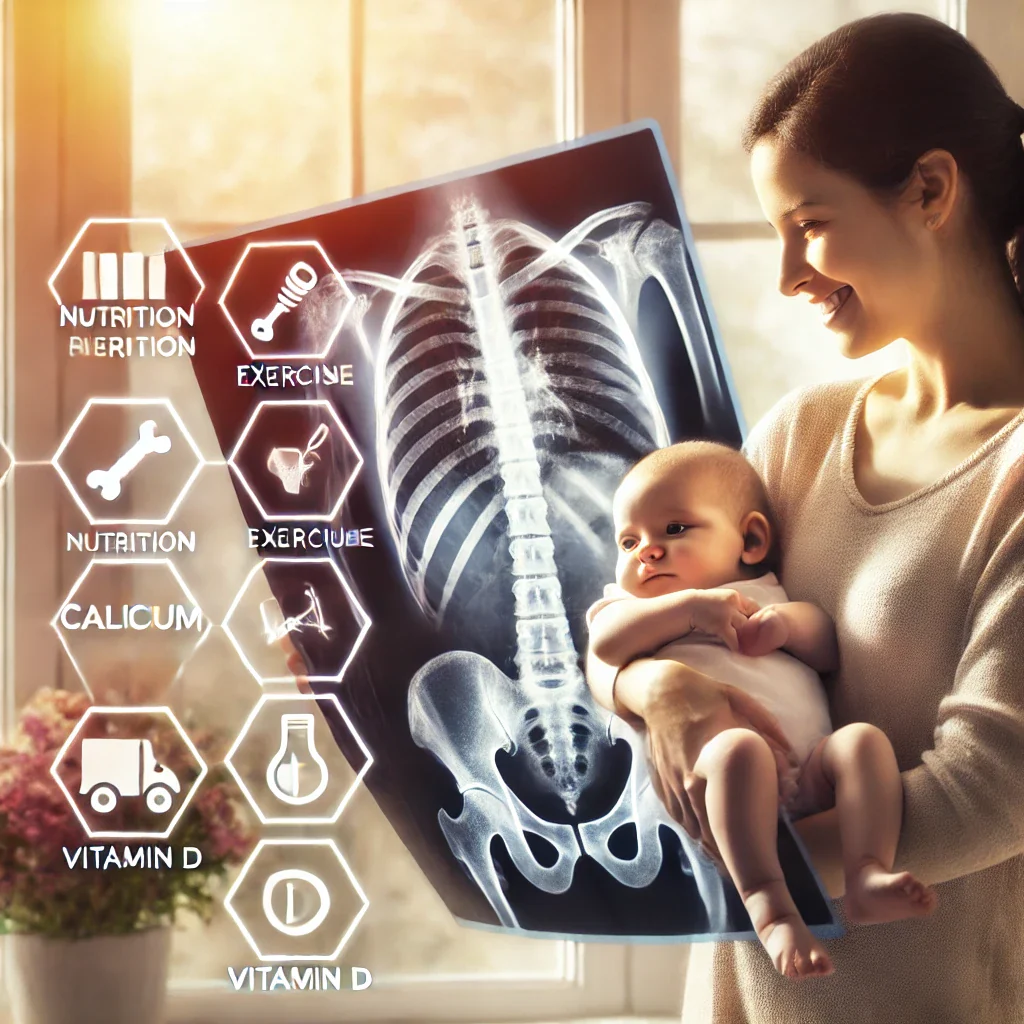
Best sources:
- Milk, curd, paneer
- Sesame seeds (til)
- Ragi
- Sunlight exposure
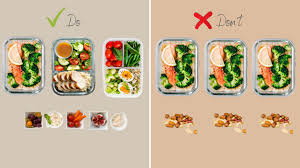
4. Healthy Fats
Healthy fats support hormone balance and brain health. They also improve breast milk quality.
Best sources:
- Nuts (almonds, walnuts)
- Seeds (flaxseed, chia seeds)
- Ghee in moderation
- Coconut and mustard oil
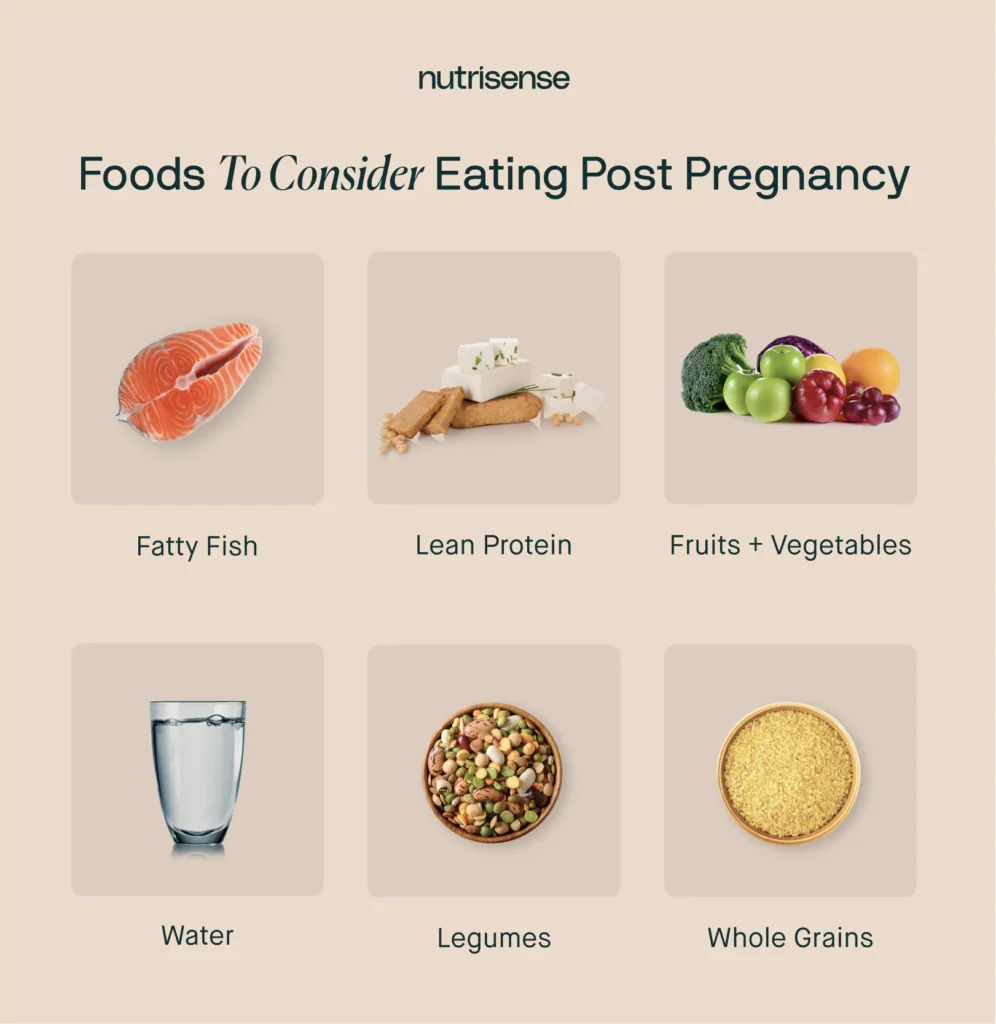
5. Fiber
Fiber helps prevent constipation, a common postpartum problem.
Best sources:
- Fruits like papaya, apple, and pear
- Vegetables
- Whole grains (brown rice, oats, whole wheat)
- Seeds and legumes
6. Fluids
Hydration is extremely important for breastfeeding and detoxification.

Recommended fluids:
- Water
- Coconut water
- Herbal teas (jeera, ajwain, fennel water)
- Milk
Postpartum Diet Plan: What to Eat
Early Morning
- Warm water with soaked almonds and raisins
- Jeera or ajwain water
- 1 seasonal fruit
Breakfast
- Vegetable oats or vegetable upma
- 1 glass milk
- Sprouts salad or boiled eggs
Alternative Indian options:
- Methi paratha with curd
- Ragi dosa with chutney
Mid-Morning Snack
- Coconut water or buttermilk
- Fruit chaat (papaya, banana, apple)
Lunch
- 1–2 chapati or brown rice
- Dal or rajma/chole
- Vegetable sabzi (lauki, tori, spinach)
- Salad
- 1 bowl curd
Non-veg option:
- Fish curry or chicken curry
Evening Snack
- Roasted chana or makhana
- Nuts and seeds mix
- Herbal tea
Dinner
- Light meal like vegetable khichdi or paneer bhurji with chapati
- Soup (vegetable or chicken soup)
Before Bed
- Warm turmeric milk or fennel milk
Traditional Indian Postpartum Foods
Indian traditions include special postpartum foods that support healing:
1. Gond Ladoo
Made with edible gum, nuts, and ghee, it helps in strength and lactation.
2. Panjiri
A mix of wheat flour, nuts, seeds, and ghee that boosts energy and milk supply.
3. Ajwain Water
Helps digestion and uterine recovery.
4. Haldi Doodh
Reduces inflammation and supports immunity
Foods to Avoid After Delivery
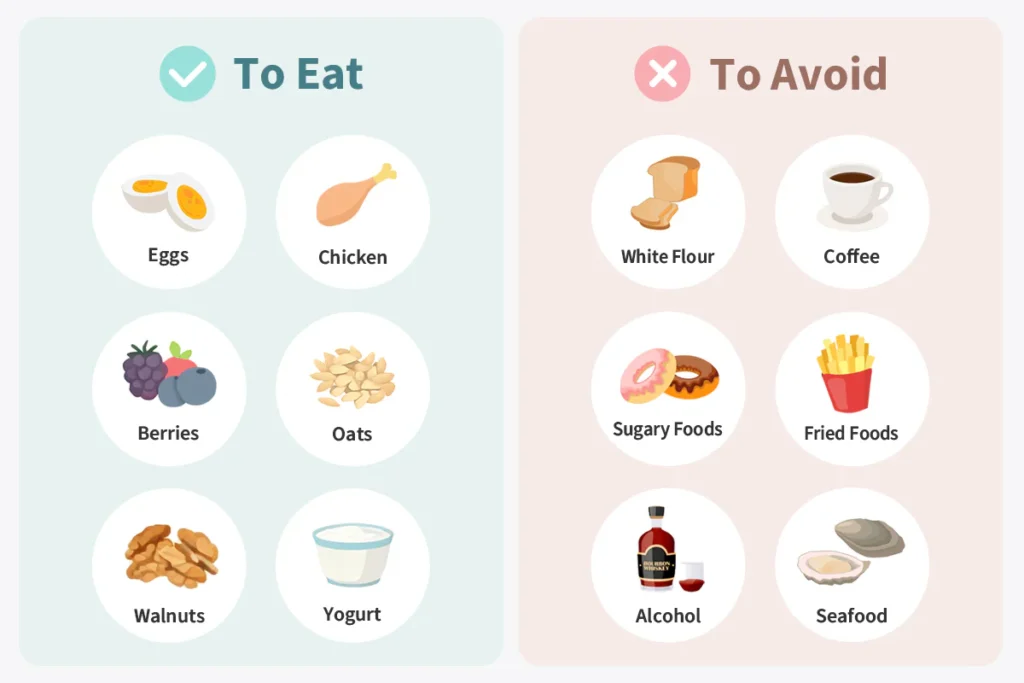
While focusing on nutrition, some foods should be limited:
- Junk food and fast food
- Excess sugar and sweets
- Carbonated drinks
- Excess caffeine
- Very spicy and oily foods (if digestion is weak)
- Alcohol (especially during breastfeeding)
Postpartum Weight Loss Tips
Many mothers worry about weight gain after delivery. However, crash dieting is not recommended.
Healthy tips:
- Follow balanced meals instead of skipping meals
- Breastfeeding helps burn extra calories
- Stay active with light walking and postpartum exercises
- Avoid sugary snacks and refined carbs
- Be patient—healthy weight loss takes time
Mental Health and Nutrition
Postpartum depression and mood swings are common due to hormonal changes. Certain nutrients help mental well-being:

- Omega-3 fatty acids (walnuts, flaxseed, fish)
- Vitamin B12 (milk, eggs, meat)
- Magnesium (nuts, seeds, whole grains)
Adequate sleep, hydration, and emotional support are also crucial.
Simple Tips for Faster Postpartum Recovery
- Eat small frequent meals
- Include protein in every meal
- Stay hydrated
- Rest as much as possible
- Avoid heavy physical work in early weeks
- Consult a dietitian for personalized postpartum diet plans
- Take prescribed supplements (iron, calcium, vitamin D)
Conclusion
A well-balanced postpartum diet is the foundation for faster recovery, healthy breastfeeding, and overall well-being of new mothers. Instead of focusing on quick weight loss, mothers should prioritize healing, energy, and nutrition.
By including protein-rich foods, iron, calcium, healthy fats, and plenty of fluids, new mothers can restore their health and enjoy motherhood with strength and confidence.