
Stress Eating: How to Stop Emotional Hunger

Stress eating, also known as emotional eating, is a common challenge faced by people of all ages. Whether it’s reaching for sweets after a long day or overeating during anxious moments, food often becomes a coping mechanism rather than nourishment. While occasional emotional eating is normal, frequent stress eating can lead to weight gain, guilt, digestive issues, and an unhealthy relationship with food.
Understanding emotional hunger and learning how to manage it is the first step toward long-term physical and mental well-being.
What Is Stress Eating?

Stress eating refers to eating food in response to emotions rather than physical hunger. Stress, anxiety, sadness, boredom, or even happiness can trigger cravings—especially for high-sugar, high-fat, or salty foods.
When stressed, the body releases cortisol, a hormone that increases appetite and cravings for comfort foods. Over time, this pattern conditions the brain to associate food with emotional relief, making it harder to distinguish real hunger from emotional hunger.
Emotional Hunger vs Physical Hunger
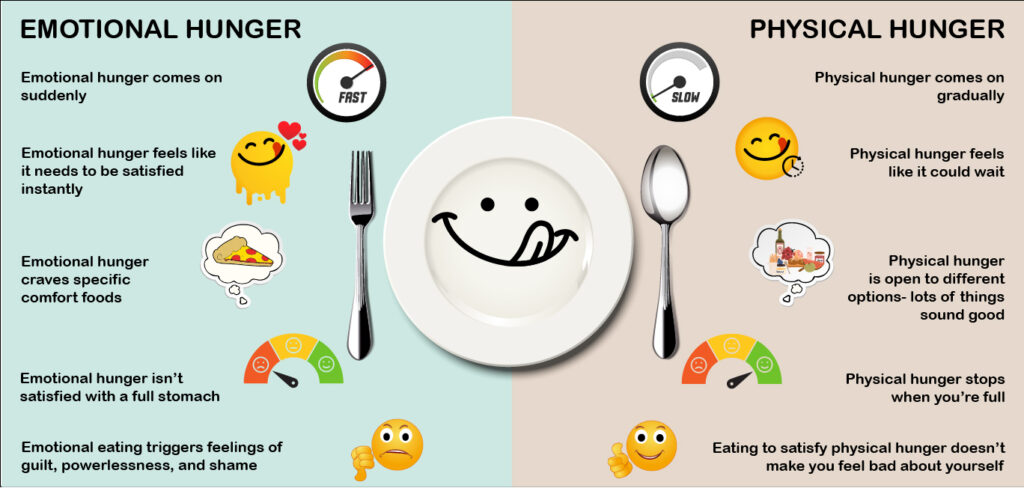
Understanding the difference between emotional and physical hunger is crucial to stopping stress eating.
Physical Hunger
- Develops gradually
- Can wait
- Satisfied with balanced meals
- Stops when full
- No guilt after eating
Emotional Hunger
- Comes suddenly
- Feels urgent
- Craves specific comfort foods
- Continues even when full
- Often followed by guilt or regret
Recognizing these signs helps you pause and respond thoughtfully rather than eating automatically.
Common Triggers of Stress Eating
Stress eating is not just about food—it’s about emotions. Some common triggers include:
- Work pressure or academic stress
- Relationship conflicts
- Lack of sleep
- Loneliness or boredom
- Hormonal changes
- Restrictive dieting
- Anxiety or depression
Identifying your personal triggers is key to managing emotional hunger effectively.
Why Stress Eating Feels Comforting
Certain foods stimulate the brain’s reward system by releasing dopamine and serotonin, chemicals associated with pleasure and relaxation. Sugary and fatty foods temporarily reduce stress, which explains why they feel comforting in the moment.
However, this relief is short-lived and often followed by energy crashes, cravings, and emotional guilt—creating a vicious cycle.
How to Stop Emotional Hunger: Practical Strategies
1. Practice Mindful Eating

Mindful eating means being fully present while eating—without distractions like phones or TV. Pay attention to taste, texture, hunger cues, and fullness levels. This helps break the autopilot mode of stress eating.
Tip: Ask yourself, “Am I physically hungry or emotionally overwhelmed?” before eating.
2. Build Non-Food Coping Mechanisms
Instead of using food to manage stress, develop alternative coping strategies such as:

- Deep breathing or meditation
- Walking or light exercise
- Journaling
- Listening to music
- Talking to a trusted person
These habits address the root cause of emotional hunger.
3. Eat Balanced Meals Regularly
Skipping meals or following extreme diets increases the risk of stress eating. Ensure each meal contains:

- Protein
- Fiber
- Healthy fats
Balanced meals stabilize blood sugar levels and reduce cravings triggered by stress.
4. Manage Stress Proactively
Since stress is a major driver of emotional eating, stress management is essential. Incorporate practices like:

- Yoga or stretching
- Adequate sleep (7–8 hours)
- Time management
- Setting realistic expectations
Lower stress levels naturally reduce emotional hunger.
5. Avoid Food Guilt

Labeling foods as “good” or “bad” increases emotional eating. Allow flexibility in your diet without guilt. A healthy relationship with food includes enjoyment, not punishment.
Remember: One emotional eating episode does not define your health journey.
6. Keep a Food and Mood Journal
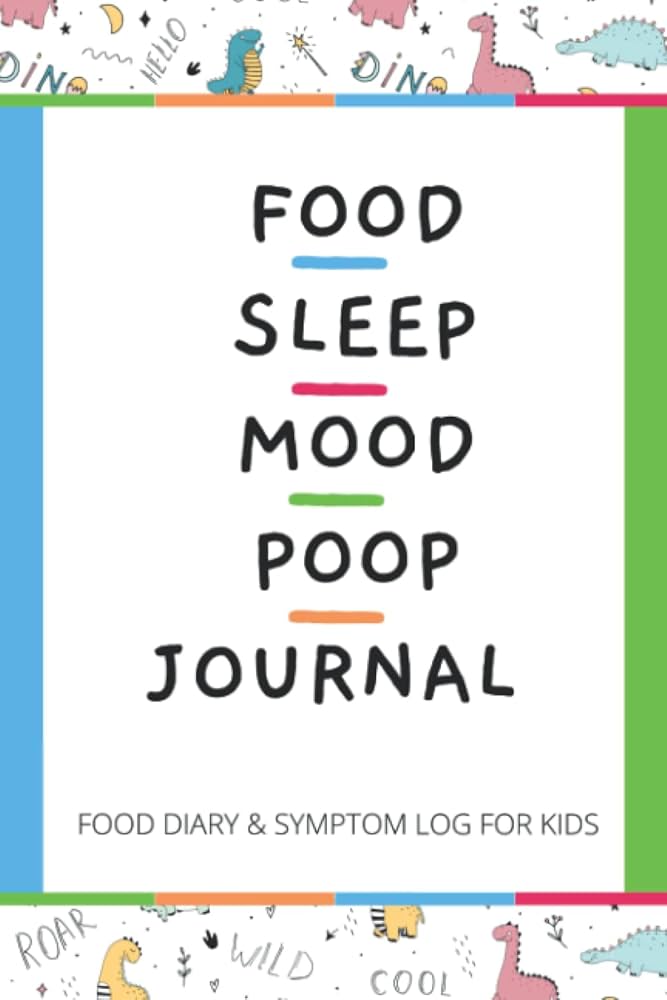
Tracking what you eat along with how you feel helps identify emotional eating patterns. Over time, you’ll notice triggers and recurring emotions linked to stress eating.
This awareness empowers conscious choices.
7. Create a Supportive Environment

Keep nutritious snacks easily available and limit constant exposure to trigger foods. However, don’t eliminate comfort foods entirely—moderation is more sustainable than restriction.
When to Seek Professional Help
If emotional eating feels uncontrollable or is affecting your mental health, weight, or self-esteem, seeking help from a dietitian, therapist, or counselor is highly beneficial. Professional guidance can address emotional, nutritional, and behavioral aspects together.
Final Thoughts
Stress eating is not a lack of willpower—it’s a learned response to emotional discomfort. By understanding emotional hunger, identifying triggers, and practicing mindful strategies, you can regain control over your eating habits.
Healing your relationship with food is a journey, not a destination. Be patient, compassionate, and consistent. With the right tools, you can stop emotional hunger and nourish both your body and mind.