
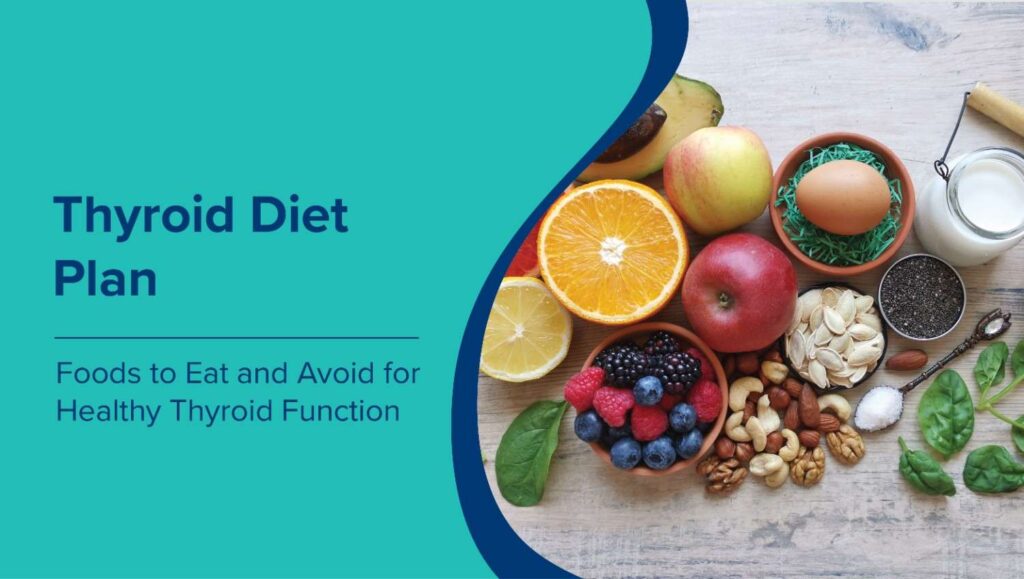
Thyroid Diet Plan: What to Eat & Avoid for Healthy Hormone Balance
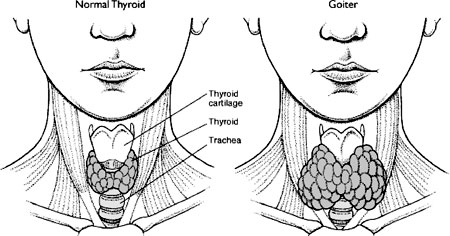
The thyroid gland plays a crucial role in regulating metabolism, energy levels, and overall hormonal balance. When thyroid function becomes imbalanced—either underactive (hypothyroidism) or overactive (hyperthyroidism)—it can affect weight, mood, digestion, and even heart health.
A well-balanced thyroid diet can help manage symptoms, support treatment, and improve quality of life. Let’s explore the best foods, dietary tips, and a practical Indian approach to managing thyroid conditions.
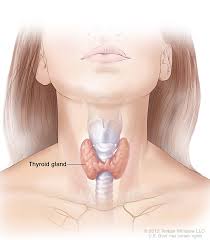
Understanding Thyroid Disorders
1. Hypothyroidism (Underactive Thyroid)
- Slows metabolism
- Causes weight gain
- Leads to fatigue, hair fall, dry skin
2. Hyperthyroidism (Overactive Thyroid)
- Speeds up metabolism
- Causes weight loss
- Leads to anxiety, sweating, rapid heartbeat
Diet plays a supportive role in both conditions by improving hormone function and reducing symptoms.
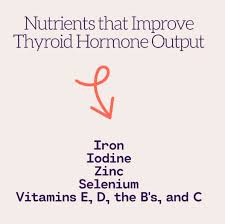
Best Nutrients for Thyroid Health
1. Iodine (Essential for Hormone Production)
Iodine is crucial for the production of thyroid hormones.
Sources:
- Iodized salt
- Dairy products
- Eggs
- Fish (especially sea fish)
Avoid excess iodine, especially in hyperthyroidism.
2. Selenium (Supports Thyroid Function)
Selenium helps convert thyroid hormones into their active form.
Sources:
- Brazil nuts (1–2 per day)
- Sunflower seeds
- Whole grains
- Eggs
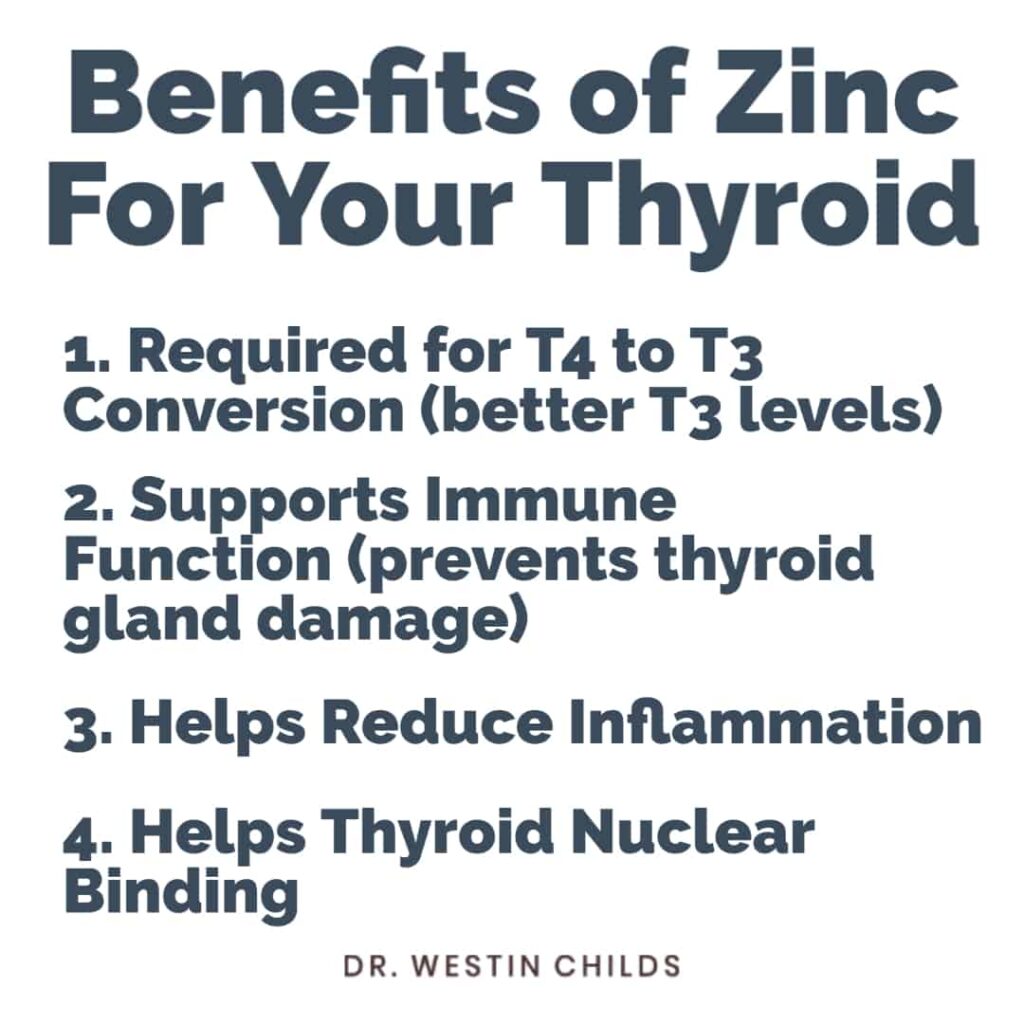
3. Zinc
Supports immune function and thyroid hormone production.
Sources:
- Nuts and seeds
- Whole grains
- Legumes
4. Iron
Low iron levels can worsen thyroid function.
Sources:
- Spinach
- Beetroot
- Jaggery
- Lentils
5. Vitamin D
Deficiency is common in thyroid disorders.
Sources:
- Sunlight exposure
- Fortified milk
- Egg yolk
Foods to Eat in Hypothyroidism
A hypothyroidism diet should boost metabolism and prevent weight gain.
1. High-Fiber Foods
- Oats
- Whole wheat roti
- Brown rice
- Fruits and vegetables
2. Lean Protein
- Paneer
- Tofu
- Chicken
- Eggs
3. Healthy Fats
- Nuts
- Seeds
- Olive oil
4. Anti-Inflammatory Foods
- Turmeric
- Ginger
- Garlic
Foods to Avoid in Hypothyroidism
1. Goitrogenic Foods (in excess)
These can interfere with thyroid function if eaten raw:
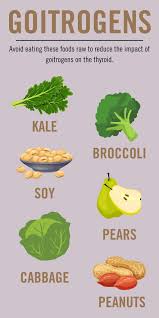
- Cabbage
- Cauliflower
- Broccoli
- Soy products
Tip: Cook them to reduce their effect.
2. Processed Foods
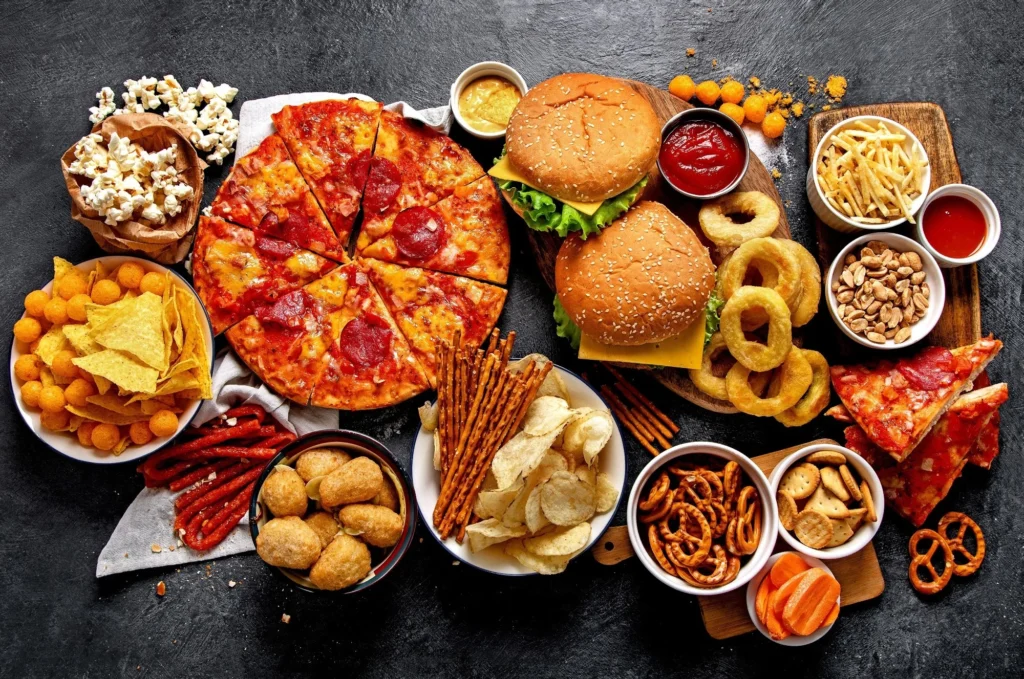
- Junk food
- Refined sugar
- Packaged snacks
3. Excess Gluten (if sensitive)
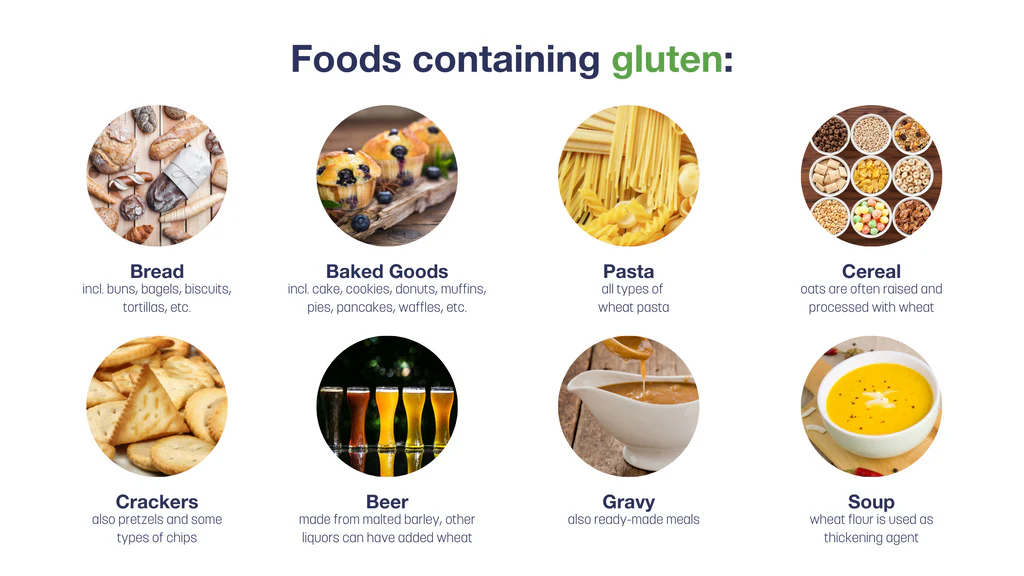
Some people with thyroid issues may benefit from reducing gluten.
Foods to Eat in Hyperthyroidism
In hyperthyroidism, focus on calming metabolism.
1. Calcium-Rich Foods
- Milk
- Curd
- Paneer
2. Whole Grains
- Brown rice
- Oats
- Millets
3. Fruits & Vegetables
- Banana
- Apple
- Carrot
- Spinach
Foods to Avoid in Hyperthyroidism
1. High-Iodine Foods
- Seaweed
- Excess iodized salt
2. Caffeine
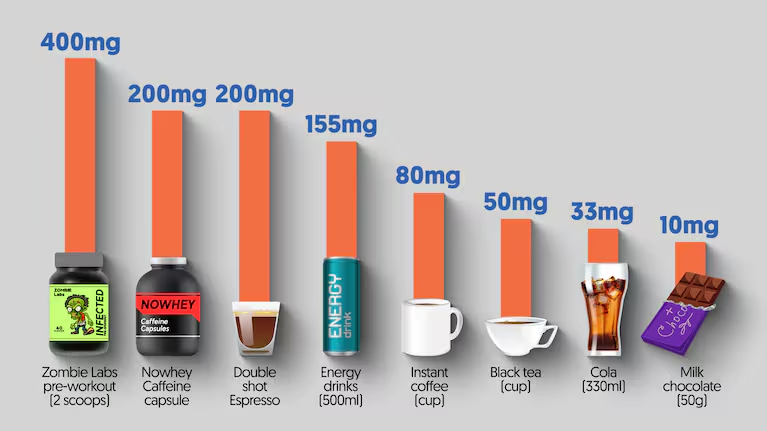
- Tea
- Coffee
- Energy drinks
3. Spicy & Processed Foods
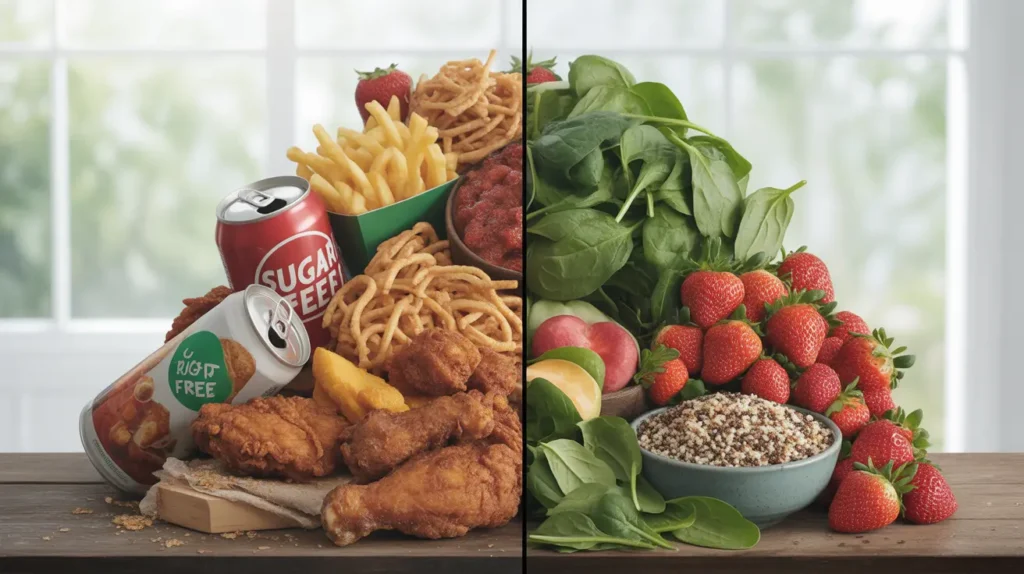
These can worsen symptoms like anxiety and palpitations.
Sample Indian Thyroid Diet Plan
Morning (Empty Stomach)
- Warm water with lemon
- 4–5 soaked almonds + 1 walnut
Breakfast
- Vegetable oats / poha / upma
- 1 boiled egg or paneer
Mid-Morning Snack
- 1 fruit (apple/guava/papaya)
Lunch
- 2 multigrain roti
- Dal or paneer sabzi
- Green vegetable
- Salad
Evening Snack
- Roasted chana / makhana
- Herbal tea
Dinner
- 1–2 roti or small bowl rice
- Light sabzi + protein
Before Bed
- Turmeric milk (optional)
Lifestyle Tips for Thyroid Management
1. Regular Exercise
- Helps manage weight
- Improves metabolism
2. Manage Stress
Stress directly impacts thyroid hormones.
Try:
- Yoga
- Meditation
- Deep breathing
3. Sleep Well
Aim for 7–8 hours of quality sleep.
4. Stay Consistent with Medication
Diet supports thyroid health but does not replace medication.
Common Myths About Thyroid Diet
❌ Myth: Avoid all cabbage and broccoli
✔️ Fact: You can eat them in cooked form
❌ Myth: Thyroid means no weight loss
✔️ Fact: With the right diet, weight loss is possible
❌ Myth: Iodine supplements are always needed
✔️ Fact: Excess iodine can worsen the condition
Conclusion
A thyroid-friendly diet focuses on balance, nutrient-rich foods, and consistency. Whether you have hypothyroidism or hyperthyroidism, the right dietary choices can help manage symptoms, improve energy levels, and support overall well-being.
Instead of following extreme restrictions, aim for a sustainable and personalized diet plan. Consulting a qualified dietitian can help tailor your nutrition according to your thyroid condition and lifestyle.