
Vitamin D Deficiency: Symptoms, Causes, and Effective Fixes for Better Health
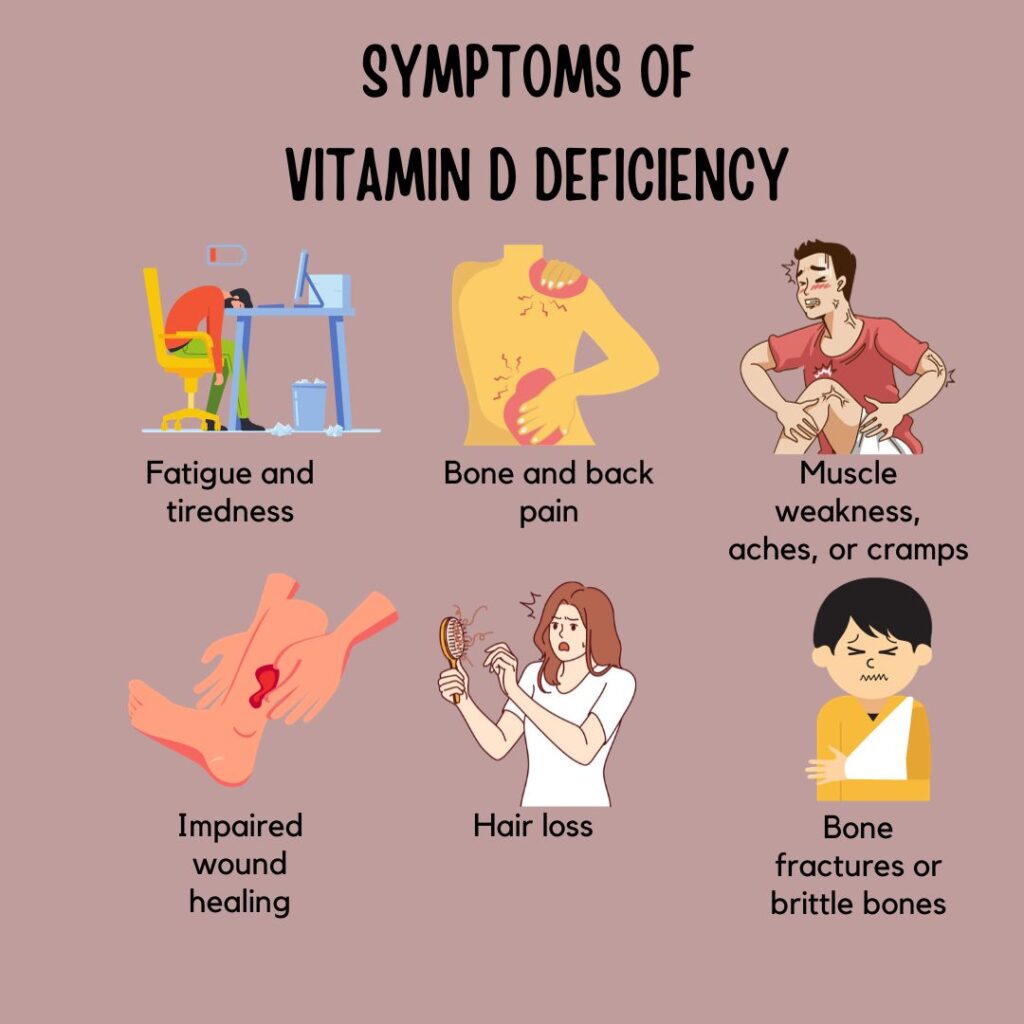
Vitamin D deficiency has become one of the most common nutritional deficiencies worldwide, affecting people of all ages. Often called the “sunshine vitamin,” vitamin D plays a crucial role in bone health, immunity, muscle function, and overall well-being. Unfortunately, many people remain deficient without realizing it, as symptoms can be subtle or mistaken for general fatigue.
In this blog, we’ll explore vitamin D deficiency symptoms, causes, health risks, and effective fixes to help you maintain optimal vitamin D levels and long-term health.
What Is Vitamin D and Why Is It Important?
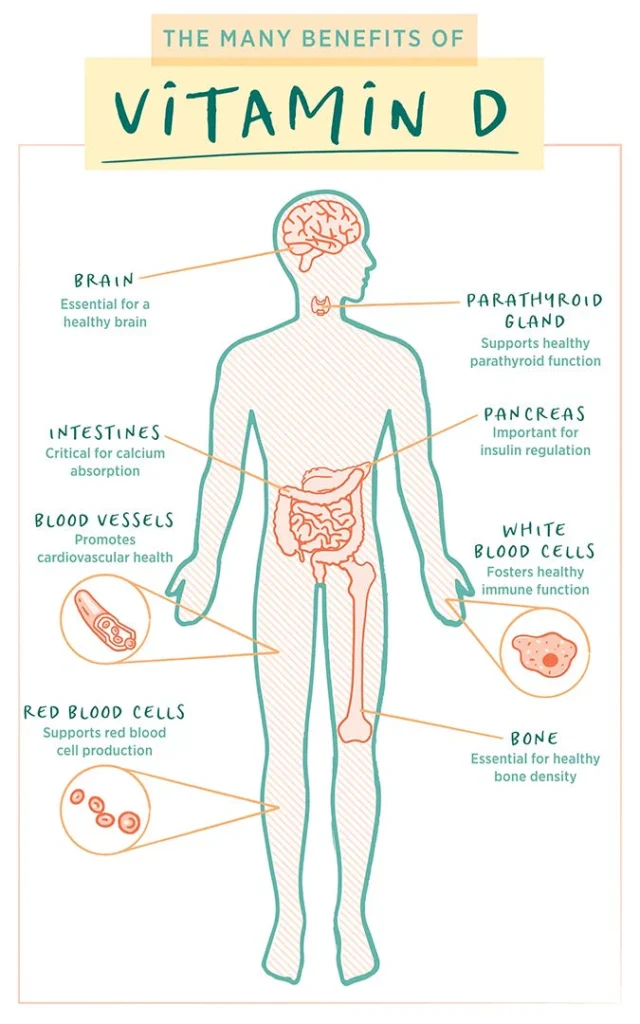
Vitamin D is a fat-soluble vitamin that functions more like a hormone in the body. It helps regulate calcium and phosphorus absorption, which is essential for strong bones and teeth. Beyond bone health, vitamin D supports:
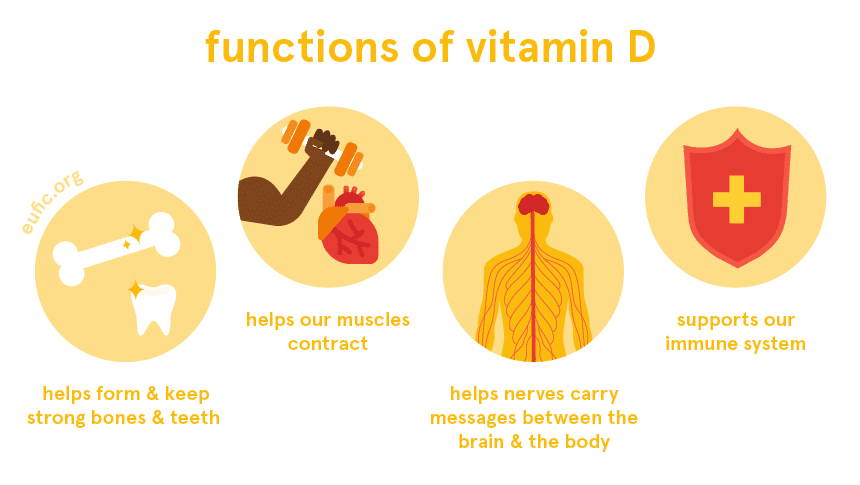
- Immune system function
- Muscle strength and balance
- Mood regulation
- Hormonal balance
- Reduced inflammation
Low vitamin D levels can negatively impact multiple systems in the body, increasing the risk of chronic health issues.
Vitamin D Deficiency Symptoms
Vitamin D deficiency symptoms can vary from mild to severe. Many people may not notice early signs, which is why it is often called a “silent deficiency.”
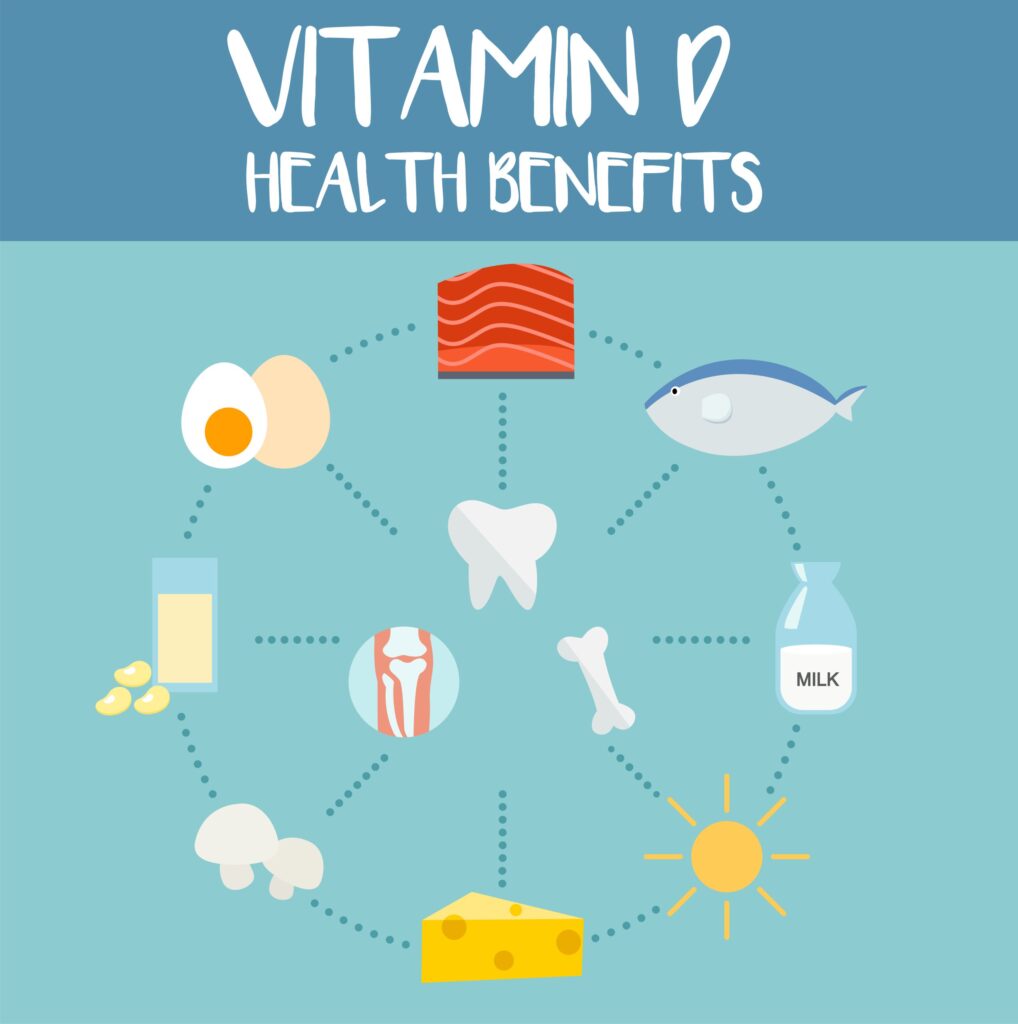
Common Symptoms of Vitamin D Deficiency
- Persistent fatigue and low energy
- Frequent infections or low immunity
- Bone pain or lower back pain
- Muscle weakness or cramps
- Joint pain and stiffness
Other Possible Signs
- Hair fall or hair thinning
- Mood changes, anxiety, or depression
- Slow wound healing
- Difficulty concentrating
- Increased risk of fractures
Vitamin D Deficiency in Adults
In adults, prolonged vitamin D deficiency can lead to osteomalacia (soft bones), chronic pain, reduced muscle strength, and increased fall risk, especially in older individuals.
Causes of Vitamin D Deficiency
Understanding the causes of vitamin D deficiency helps in correcting and preventing it.
1. Lack of Sun Exposure
Sunlight is the primary natural source of vitamin D. Limited outdoor activity, sunscreen overuse, pollution, and indoor lifestyles reduce vitamin D synthesis.
2. Poor Dietary Intake
Vitamin D is naturally present in very few foods. Vegetarian or restrictive diets often lack adequate vitamin D.
3. Darker Skin Tone
Higher melanin levels reduce the skin’s ability to produce vitamin D from sunlight.
4. Absorption Issues
Gut conditions like IBS, celiac disease, or Crohn’s disease can impair vitamin D absorption.
5. Obesity
Vitamin D can get trapped in fat tissue, lowering its availability in the bloodstream.
6. Ageing
As we age, the skin becomes less efficient at synthesizing vitamin D.
Health Risks of Untreated Vitamin D Deficiency
Ignoring vitamin D deficiency can lead to serious long-term health problems, including:
- Osteoporosis and bone fractures
- Weak immunity and frequent illness
- Increased risk of diabetes
- Cardiovascular diseases
- Hormonal imbalances
- Poor mental health and depression
Vitamin D deficiency has also been linked to PCOS, thyroid disorders, and autoimmune conditions.
How to Fix Vitamin D Deficiency Naturally
1. Sunlight Exposure
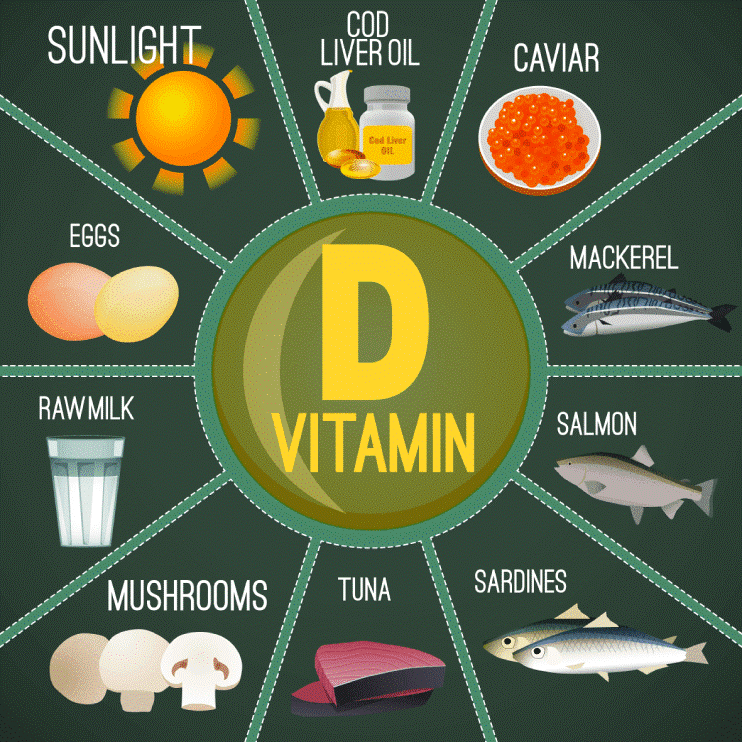
Sun exposure is the most effective natural way to boost vitamin D levels.
Best practices:
- 15–30 minutes of sunlight
- Expose arms, legs, or face
- Between 10 am and 3 pm
- 4–5 days per week
Avoid excessive exposure to prevent skin damage.
2. Vitamin D Rich Foods
Including vitamin D rich foods in your daily diet helps maintain levels naturally.
Animal Sources:
- Fatty fish (salmon, sardines, tuna)
- Egg yolk
- Liver
Vegetarian & Fortified Sources:
- Fortified milk and curd
- Fortified cereals
- Mushrooms exposed to sunlight
- Fortified plant milks
Pair vitamin D foods with healthy fats for better absorption.
3. Vitamin D Supplements
In moderate to severe deficiency, supplements may be required.
Common Forms:
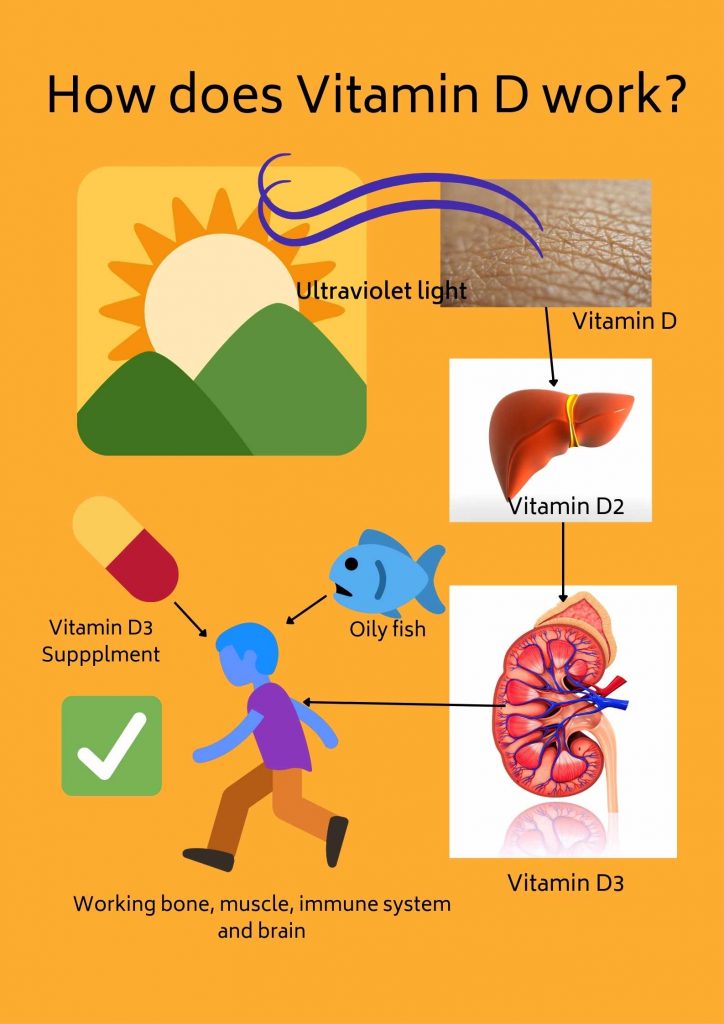
- Vitamin D3 (cholecalciferol) – preferred
- Vitamin D2 (ergocalciferol)
Dosage should always be based on blood test results and guided by a healthcare professional.
4. Improve Absorption
- Take vitamin D with meals containing fat
- Maintain good gut health
- Ensure adequate magnesium and calcium intake
Recommended Vitamin D Levels
- Normal: 30–50 ng/mL
- Insufficient: 20–29 ng/mL
- Deficient: Below 20 ng/mL
Regular blood testing helps monitor and manage levels effectively.
Who Is at Higher Risk of Vitamin D Deficiency?
- Office workers and indoor professionals
- Elderly individuals
- Pregnant and lactating women
- People with obesity
- Individuals with gut disorders
- Vegetarians and vegans
Prevention Tips for Long-Term Vitamin D Health
- Get regular sunlight exposure
- Include fortified foods in your diet
- Maintain a balanced lifestyle
- Monitor vitamin D levels annually
- Avoid self-medication with high-dose supplements
Conclusion
Vitamin D deficiency is widespread but completely manageable with the right awareness and lifestyle changes. Recognizing the symptoms early, understanding the causes, and following effective fixes like sunlight exposure, vitamin D rich foods, and guided supplementation can significantly improve overall health.
If you experience persistent fatigue, bone pain, or frequent infections, consider checking your vitamin D levels. A proactive approach today can prevent serious health issues tomorrow.
Healthy bones, strong immunity, and better energy start with optimal vitamin D levels.