
A strong immune system is essential for protecting the body against infections, viruses, and harmful pathogens. While maintaining a healthy lifestyle through proper nutrition, regular exercise, and quality sleep is crucial, certain supplements can provide additional support to help your immune system function optimally.
In today’s fast-paced world, many people struggle to meet their nutritional requirements through diet alone. This is where immunity-supporting supplements can play an important role. In this article, we’ll explore the best supplements for improving immunity and how they contribute to overall health and wellness.
Why Is Immune Health Important?
The immune system acts as the body’s natural defense mechanism. It identifies and eliminates harmful microorganisms, helping prevent illness and disease. Factors such as stress, poor diet, lack of sleep, aging, and environmental toxins can weaken immune function, making the body more vulnerable to infections.
Supporting your immune system with the right nutrients can help maintain a strong defense against everyday health challenges and improve overall well-being.
1. Vitamin C: The Ultimate Immunity Booster
Vitamin C is one of the most popular and widely studied immune-support supplements. It plays a vital role in supporting various cellular functions of the immune system.
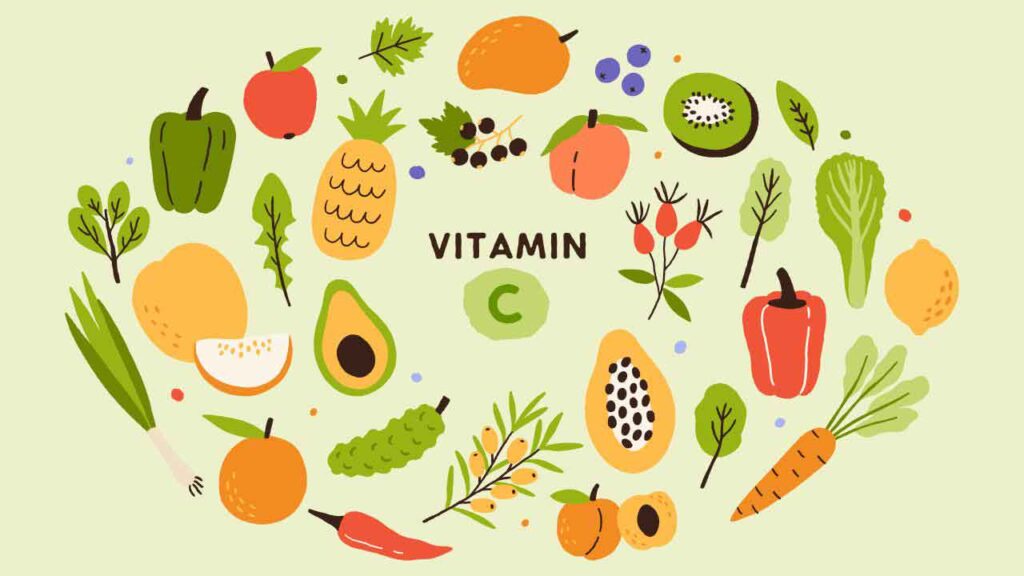
Benefits of Vitamin C:
- Supports the production of white blood cells
- Acts as a powerful antioxidant
- Helps protect cells from oxidative stress
- Supports skin health, the body’s first line of defense
- May reduce the duration of common cold symptoms
Foods rich in Vitamin C include oranges, strawberries, kiwi, bell peppers, and broccoli. However, supplementation can be beneficial for individuals who do not get enough from their diet.
2. Vitamin D: Essential for Immune Regulation
Vitamin D is often called the “sunshine vitamin” because the body produces it when exposed to sunlight. Research has shown that Vitamin D plays a critical role in immune system regulation.

Benefits of Vitamin D:
- Supports innate and adaptive immune responses
- Helps reduce inflammation
- May lower the risk of respiratory infections
- Supports bone and muscle health
Many people are deficient in Vitamin D, especially those who spend limited time outdoors. Supplementation can help maintain healthy levels and support immune function.
3. Zinc: A Powerful Mineral for Immune Defense
Zinc is an essential trace mineral that supports numerous biological functions, including immune health.
Benefits of Zinc:
- Supports the development of immune cells
- Helps fight infections
- May shorten the duration of colds
- Promotes wound healing
- Supports healthy inflammatory responses
Since the body cannot store zinc efficiently, regular intake through diet or supplements is important. Foods rich in zinc include meat, seafood, nuts, seeds, and legumes.
4. Probiotics: Supporting Gut and Immune Health
Did you know that a large portion of the immune system resides in the gut? Probiotics are beneficial bacteria that help maintain a healthy balance of gut microorganisms.

Benefits of Probiotics:
- Support digestive health
- Promote healthy gut microbiota
- Enhance immune responses
- May reduce the frequency of certain infections
- Help maintain overall wellness
Regular probiotic supplementation can be particularly beneficial for individuals who have recently taken antibiotics or experience digestive issues.
5. Elderberry: A Natural Immune Support Supplement
Elderberry has been used in traditional medicine for centuries due to its immune-supporting properties.

Benefits of Elderberry:
- Rich in antioxidants and flavonoids
- Supports healthy immune responses
- May help reduce the severity of seasonal illnesses
- Provides additional antioxidant protection
Elderberry supplements are commonly available as syrups, capsules, gummies, and powders.
6. Echinacea: Traditional Herbal Immune Support
Echinacea is a popular herbal supplement often used to support immune health.

Benefits of Echinacea:
- Supports natural immune defenses
- May help reduce the duration of upper respiratory symptoms
- Contains antioxidant compounds
- Supports overall wellness during seasonal changes
While results may vary among individuals, many people use echinacea as part of their immune health routine.
7. Omega-3 Fatty Acids: Reducing Inflammation
Omega-3 fatty acids are known for their anti-inflammatory properties and overall health benefits.
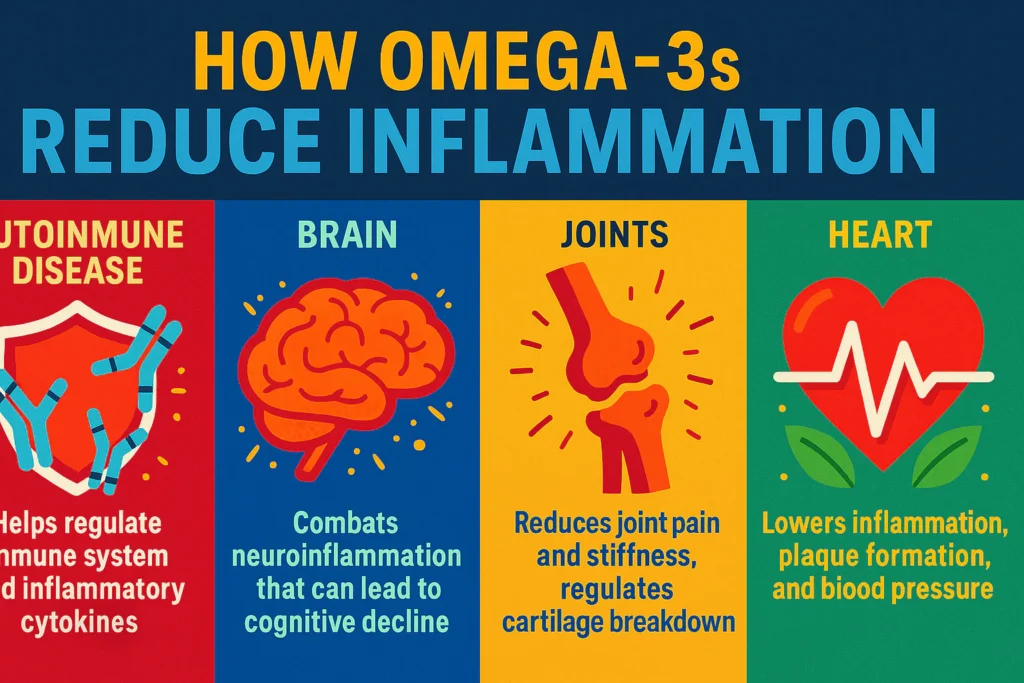
Benefits of Omega-3s:
- Support healthy inflammatory responses
- Promote heart and brain health
- Help regulate immune function
- Support overall wellness
Fish oil supplements and algae-based omega-3 supplements are popular options for increasing omega-3 intake.
8. Selenium: An Overlooked Immune Nutrient
Selenium is a trace mineral that plays a key role in antioxidant defense and immune function.

Benefits of Selenium:
- Protects cells from oxidative damage
- Supports immune cell activity
- Helps regulate inflammation
- Contributes to thyroid health
Brazil nuts are among the richest natural sources of selenium, but supplements can help individuals meet their daily requirements.
Tips for Choosing the Best Immune System Supplements
When selecting supplements for immune health, consider the following:
Look for Quality Products
Choose supplements from reputable manufacturers that undergo third-party testing for quality and purity.
Check the Ingredient List
Avoid products with unnecessary fillers, artificial colors, or excessive additives.
Follow Recommended Dosages
More is not always better. Taking excessive amounts of certain vitamins and minerals can have adverse effects.
Consult a Healthcare Professional
If you have underlying health conditions, are pregnant, or take medications, seek professional medical advice before starting new supplements.
Lifestyle Habits That Support Immunity
Supplements work best when combined with healthy lifestyle habits. To maximize immune function:
- Eat a balanced, nutrient-rich diet
- Stay physically active
- Get 7–9 hours of sleep each night
- Manage stress effectively
- Stay hydrated
- Avoid smoking and excessive alcohol consumption
These habits provide a strong foundation for long-term immune health.
Conclusion
Maintaining a healthy immune system requires a combination of proper nutrition, healthy lifestyle choices, and targeted supplementation when needed. Among the best supplements for improving immunity are Vitamin C, Vitamin D, Zinc, Probiotics, Elderberry, Echinacea, Omega-3 fatty acids, and Selenium.
While supplements can help fill nutritional gaps and support immune function, they should complement—not replace—a balanced diet and healthy lifestyle. By incorporating these immune-supporting nutrients into your daily routine, you can help strengthen your body’s natural defenses and support overall wellness throughout the year.